IROC-Z History
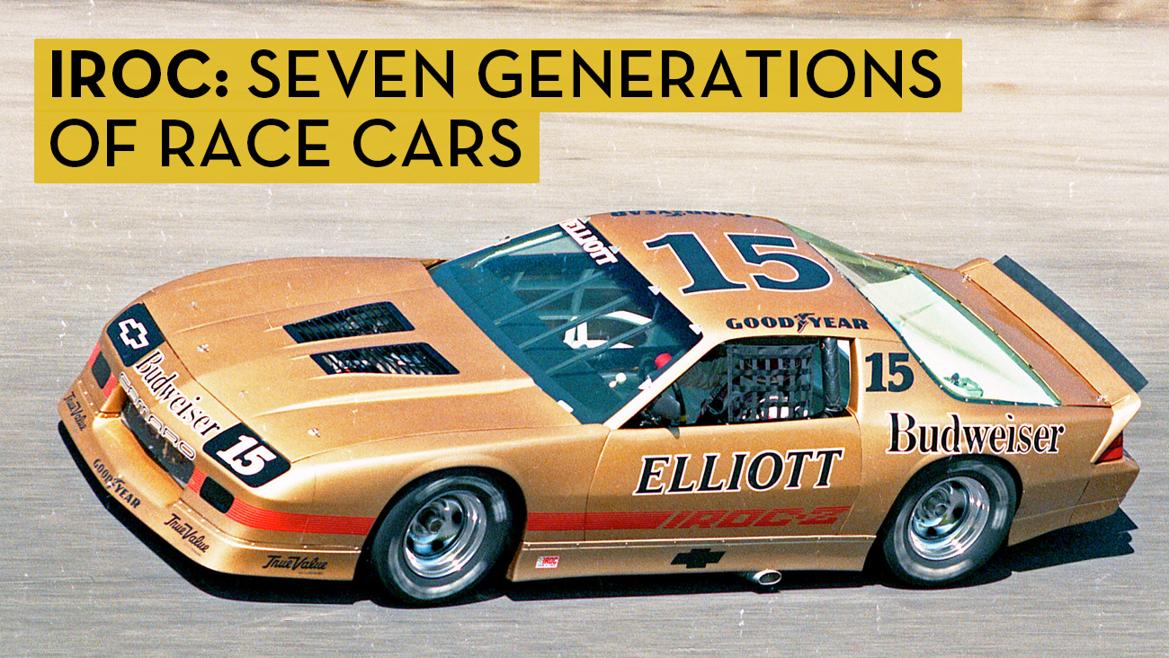
The International Race of Champions (IROC) series utilized several iconic car models throughout its 33-year history, moving from high-end European sports cars to American pony cars to better resonate with fans. One of these cars not only stood out, but stood the test of time…
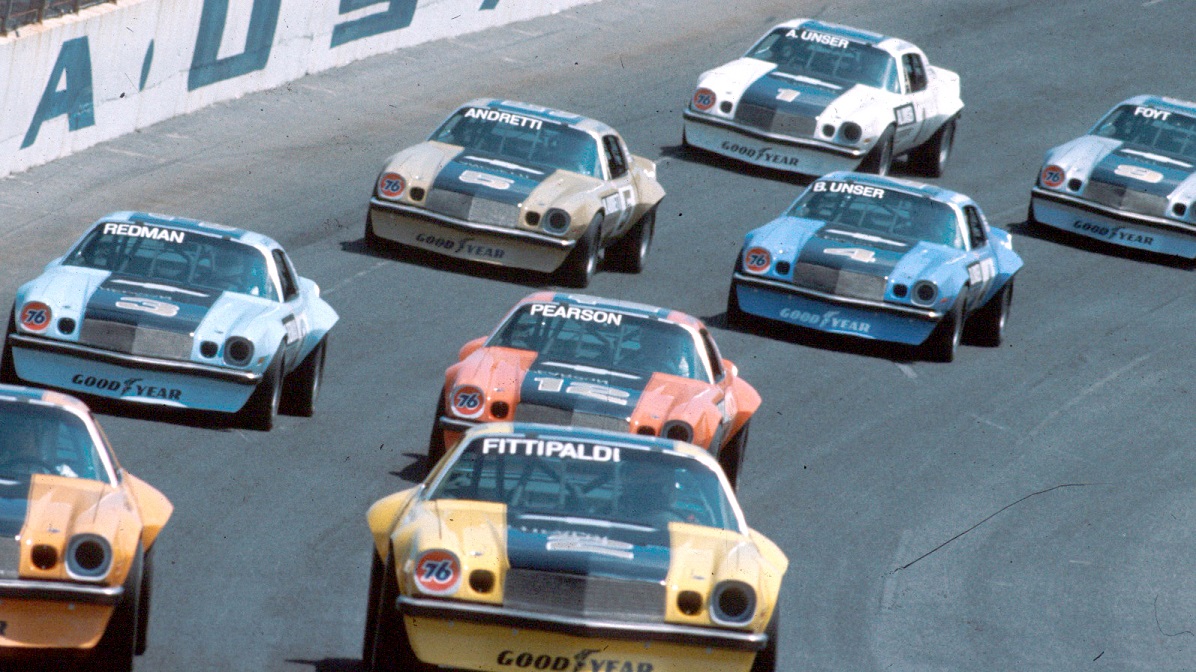
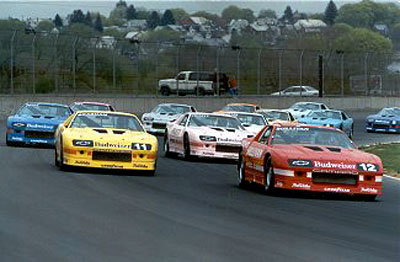
The transition from the Gen 2 Camaro (1975–1980) to the third-generation IROC-Z Camaro (1984–1989) in the IROC series marked a major shift from modified production-based cars to purpose-built, high-tech racing machines…
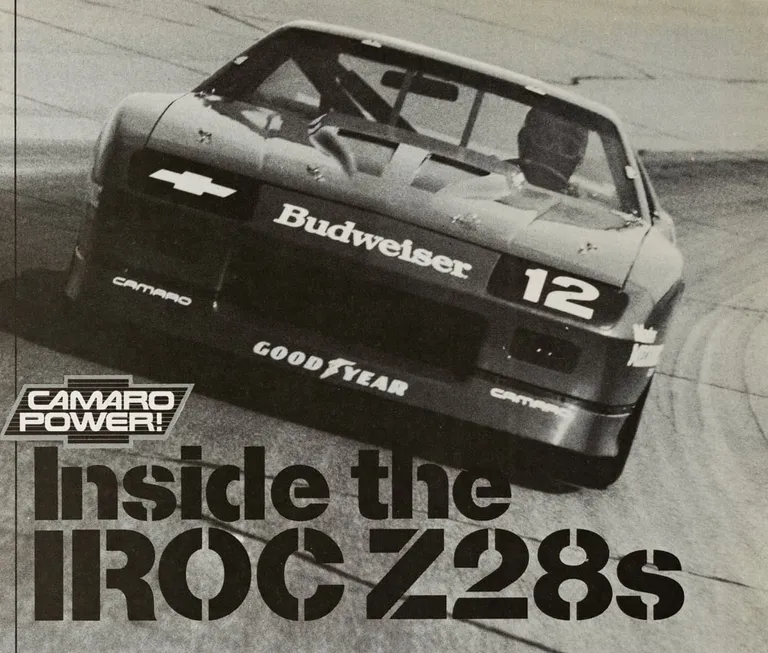
Key Differences Between Gen 2 and IROC-Z Race Cars
Chassis Construction:
-
- Gen 2: Early versions were essentially heavily modified production cars with steel bodies.
- IROC-Z: These featured a full tube-frame chassis built by Banjo Matthews. This specialized racing frame provided significantly better driver safety and structural rigidity compared to the older production-based frames.
Body Material and Aerodynamics:
-
- Gen 2: Used original steel body panels, making them heavier and less aerodynamic.
- IROC-Z: Utilized fiberglass bodywork that closely resembled the road-going IROC-Z but was much lighter. The third-gen body was also far more aerodynamic, developed through extensive wind tunnel testing to reduce drag (down to a coefficient of .369).
Performance and Handling:
-
- Engines: While both used Chevrolet V8s, the IROC-Z race cars were powered by a 355-cubic-inch V8 producing roughly 470 horsepower and 400 lb-ft of torque.
- Handling: The IROC-Z era introduced Bilstein gas shocks and a more sophisticated suspension setup that allowed for harder cornering and better stability at high speeds than the Gen 2 models.
Public Influence (The Street IROC-Z):
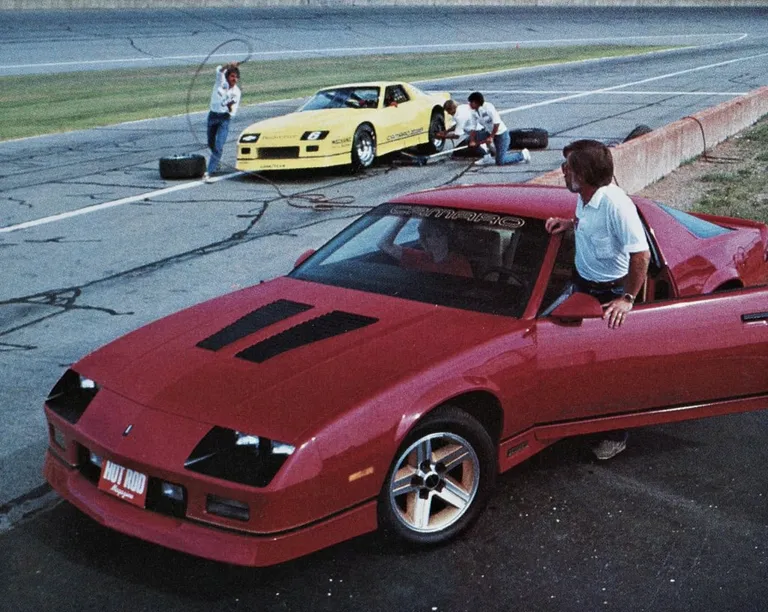
Unlike the Gen 2 era, the IROC-Z race car directly inspired a legendary production model. The street-legal IROC-Z featured 16-inch alloy wheels, a lowered body, and Tuned Port Injection (TPI) V8 engines, which allowed fans to buy a version of the car they saw on track.
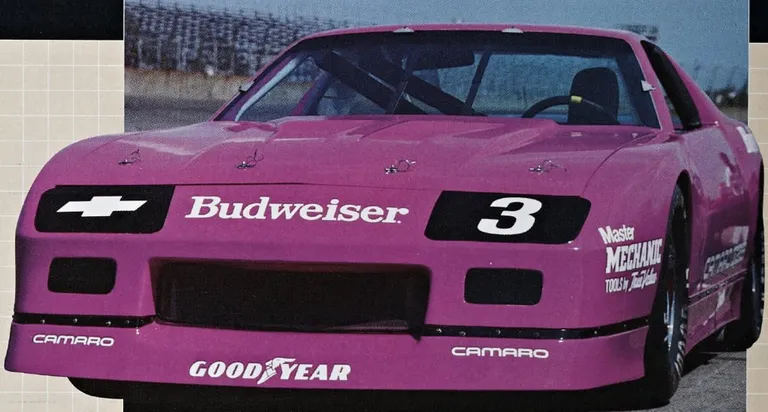
The transition from production steel bodies to fiberglass in IROC cars significantly altered their performance and safety profiles. While production cars were designed for street durability and consumer ease of repair, IROC bodies were optimized for the extreme demands of track competition.
Performance Differences:
- Weight Reduction: Fiberglass is approximately 75% lighter than steel. This dramatic reduction in mass directly improved acceleration, braking efficiency, and cornering speeds because the engine had less weight to move and the brakes had less momentum to stop.
- Aerodynamic Precision: Unlike factory steel panels, which are limited by heavy industrial stamping processes, fiberglass can be molded into complex, flowing curves. This allowed IROC engineers to optimize airflow, reducing drag and increasing downforce to keep the cars planted at high speeds.
- Mechanical Uniformity: Because fiberglass panels are cast in identical molds, they ensured that every car in the series had exactly the same aerodynamic profile, supporting IROC’s “driver-only” competition philosophy.
Safety and Structural Differences
- Energy Absorption vs. Crumple Zones: Production steel bodies are designed with “crumple zones” to absorb impact energy through deformation. Fiberglass, by contrast, is more brittle and tends to shatter or crack rather than crumple.
- Chassis vs. Body Safety: In IROC cars, the body served as a light aerodynamic shell rather than a structural safety component. Driver protection was moved entirely to an internal tube-frame chassis (often built by Banjo Matthews), which provided the rigidity and impact resistance that production unibody steel lacked.
- Track-Side Repairability: Fiberglass panels can be patched quickly with resin and cloth during a race weekend. In contrast, metal panels require complex dent pulling or welding, which is far more time-consuming for a series running identical cars on tight schedules.
The Chevrolet Camaro IROC-Z… Street Version, 1985
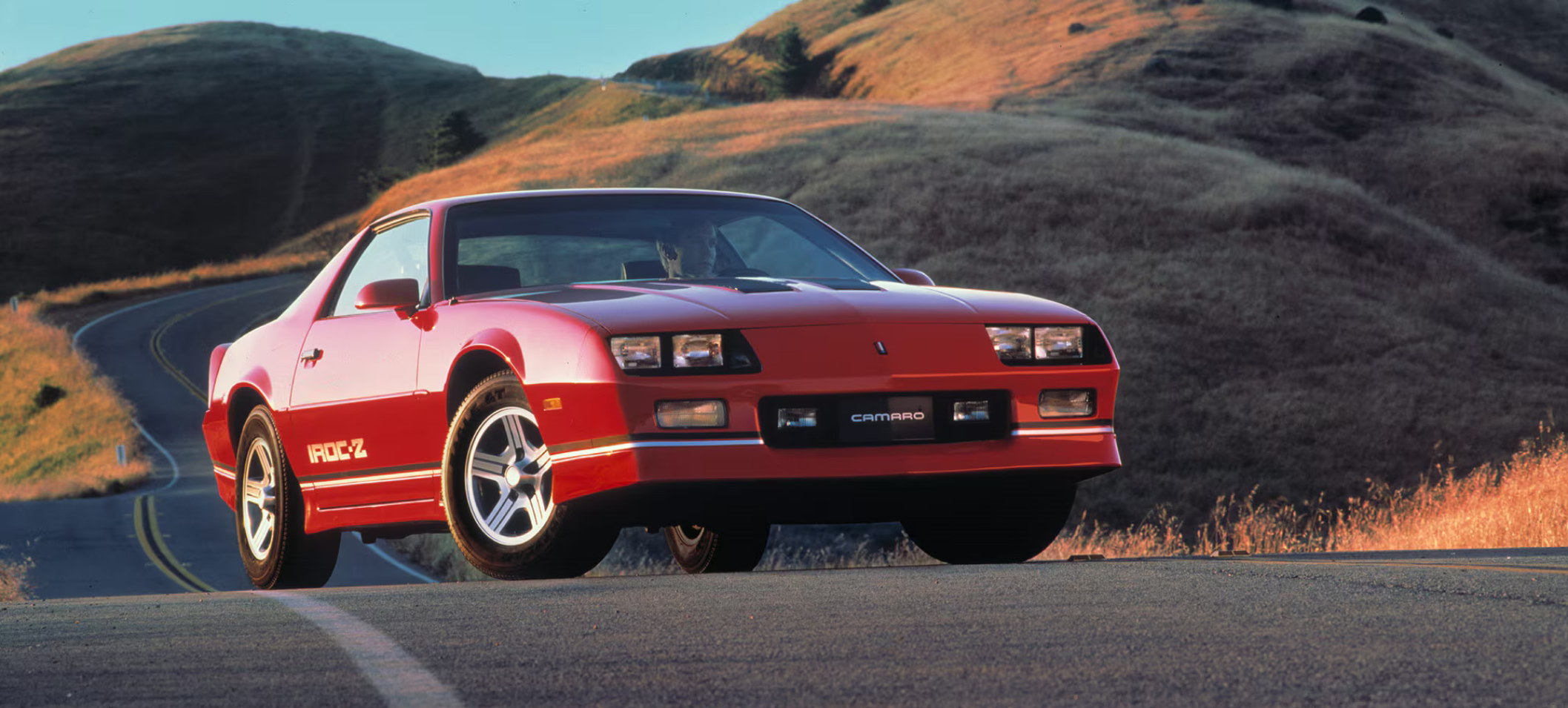
The Chevrolet Camaro IROC-Z street version, introduced in 1985, was a marketing and engineering collaboration designed to capitalize on the prestige of the International Race of Champions series. While it shared a similar silhouette with the racing model, the two vehicles were fundamentally different in purpose and construction.
Core Differences: Street vs. Race Car
| Feature |
| IROC-Z Street Model (1985–1990) | IROC-Z Race Car (1984–1989) | |
| Chassis | Production unibody steel frame | Full tube frame (NASCAR-style) built by Banjo Matthews |
| Body | Original production steel body panels | Lightweight fiberglass body shell |
| Engine | 5.0L or 5.7L V8 (190–245 hp) | 355-cubic-inch V8 (470 hp) built by Katech |
| Top Speed | Approx. 140 mph | 170–185 mph |
| Transmission | 5-speed manual or 4-speed automatic | Richmond 4-speed manual gearbox |
| Weight | Approx. 3,300–3,500 lbs | Approx. 3,350 lbs (specialized racing weight) |
How the Street Car Reflected the Partnership
The IROC-Z streetcar was not a “homologation special” meant for racing, but rather a “street-legal nostalgia bomb” that integrated specific track-inspired elements to appeal to enthusiasts:
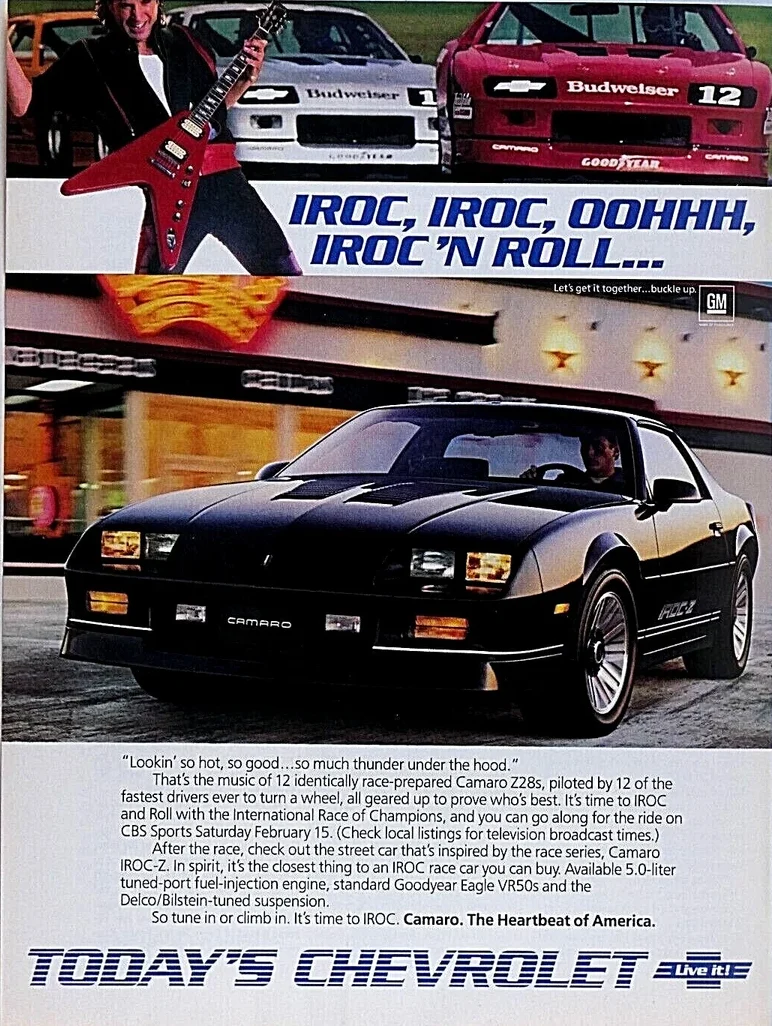
- Aerodynamic Body Kit: The street model featured aggressive ground effects, a lower front air dam, and a rear spoiler that mirrored the look of the high-speed race cars.
- Performance Suspension: To justify the “track-ready feel,” Chevrolet equipped the IROC-Z with a stiffer F41 sport-tuned suspension, larger sway bars, and a lower ride height than the standard Z28.
- Branding & Tires: The partnership was visible through signature IROC-Z door decals and hood louvers. Furthermore, both the street and race cars utilized Goodyear Eagle tires, a direct reflection of the series’ technical partners.
- Marketing Strategy: Chevrolet utilized the “win on Sunday, sell on Monday” philosophy. The licensing deal allowed Chevy to use the IROC name on production cars until the contract ended in 1990, at which point the model was discontinued and replaced by the Z28.
The Chevrolet Camaro IROC-Z road car (1985–1990) was a commemorative model celebrating the return of the IROC series, but it shared almost no mechanical components with the race cars used on track. While the road car was an upgraded production Z/28, the race car was a purpose-built, tube-frame machine designed for high-speed competition…
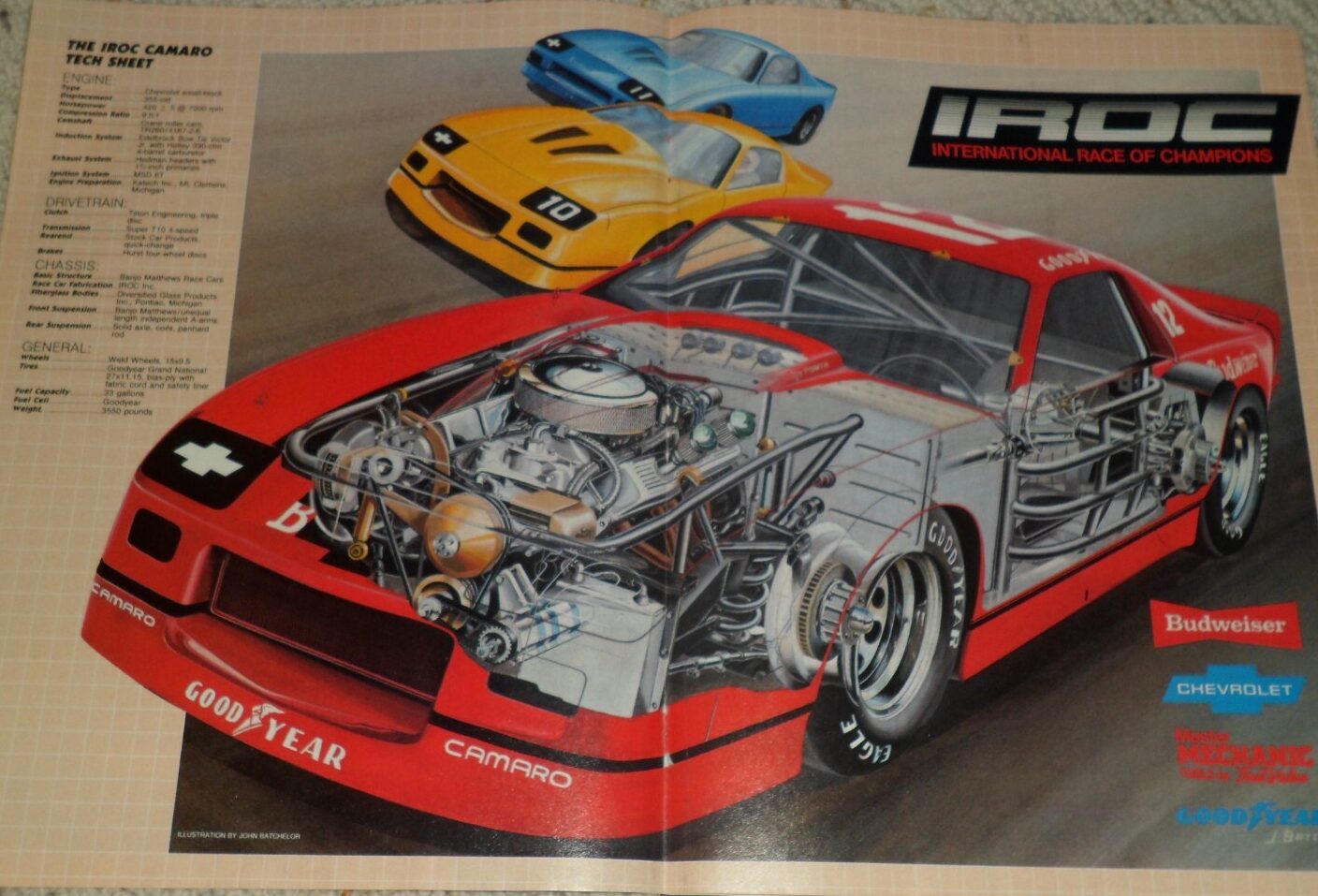
Core Mechanical Differences Feature: |
| IROC-Z Road Car (Street) | IROC Race Car (Track) | |
| Chassis | Production steel unibody | Full tube frame (NASCAR-style) |
| Body | Original steel production panels | Lightweight fiberglass shell |
| Engine | 5.0L/5.7L V8 (190–245 hp) | 355ci V8 (470 hp) by Katech |
| Transmission | 5-speed manual or 4-speed auto | Richmond 4-speed manual |
| Top Speed | Approx. 140–145 mph | 180–185+ mph |
Street vs. Track Experience
- Performance: The race car could sprint from 0 to 60 mph in 4.5 seconds, compared to roughly 7 seconds for the street version.
- Interior: The road car featured creature comforts like bucket seats, premium audio, and T-tops. The race car was entirely stripped, housing only a contoured racing seat, a steel roll cage, and functional gauges.
- Drivability: In a 1989 comparison, it was noted that the race car’s heavy steering and loud engine made it “undesirable in traffic,” whereas the street car was a civilized daily driver.
How the Road Car Reflected the Partnership
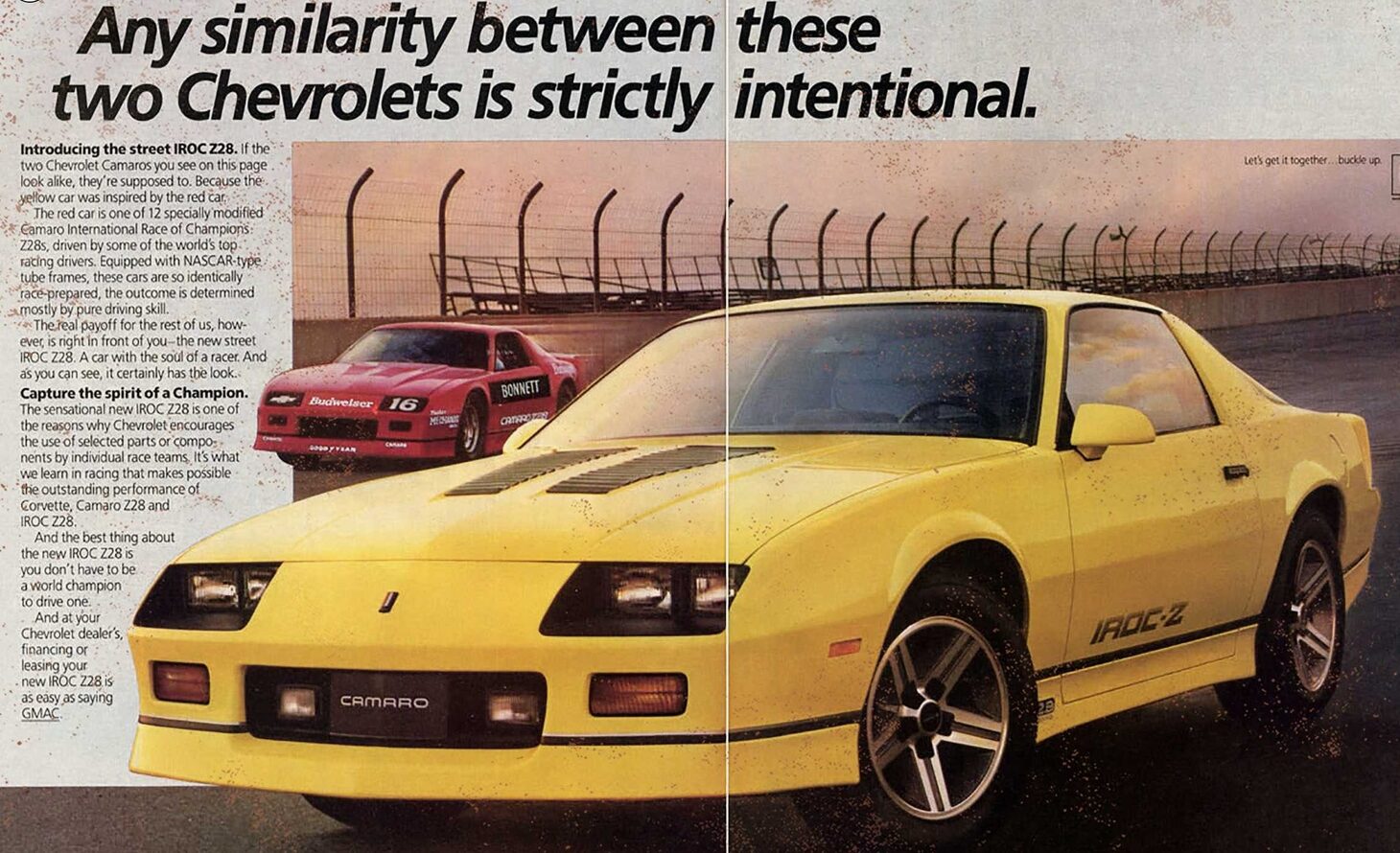
Despite the mechanical differences, Chevrolet used the road car to channel the “driver’s champion” image:
- Track-Tuned Handling: The street IROC-Z was one of America’s best-handling cars of the era, featuring a lowered ride height, Delco-Bilstein shocks, and larger sway bars to mimic track responsiveness.
- Visual Homage: Both versions shared the signature aerodynamic body kit, front air dam, and bold “IROC-Z” graphics.
- Tire Link: Both cars used Goodyear Eagle tires, specifically “Gatorbacks” on the road car, emphasizing the high-performance partnership.
End of the Production Line
In 1989, Chevrolet abruptly decided to end it’s partnership with the race series. Some “1990 Camaro IROC-Zs” still were sold, due to 1990 cars coming out in late 1989, but mid-models had the decals removed and were sold as “Z28”s again without the IROC-Z monicker.
IROC-Z Resurrection
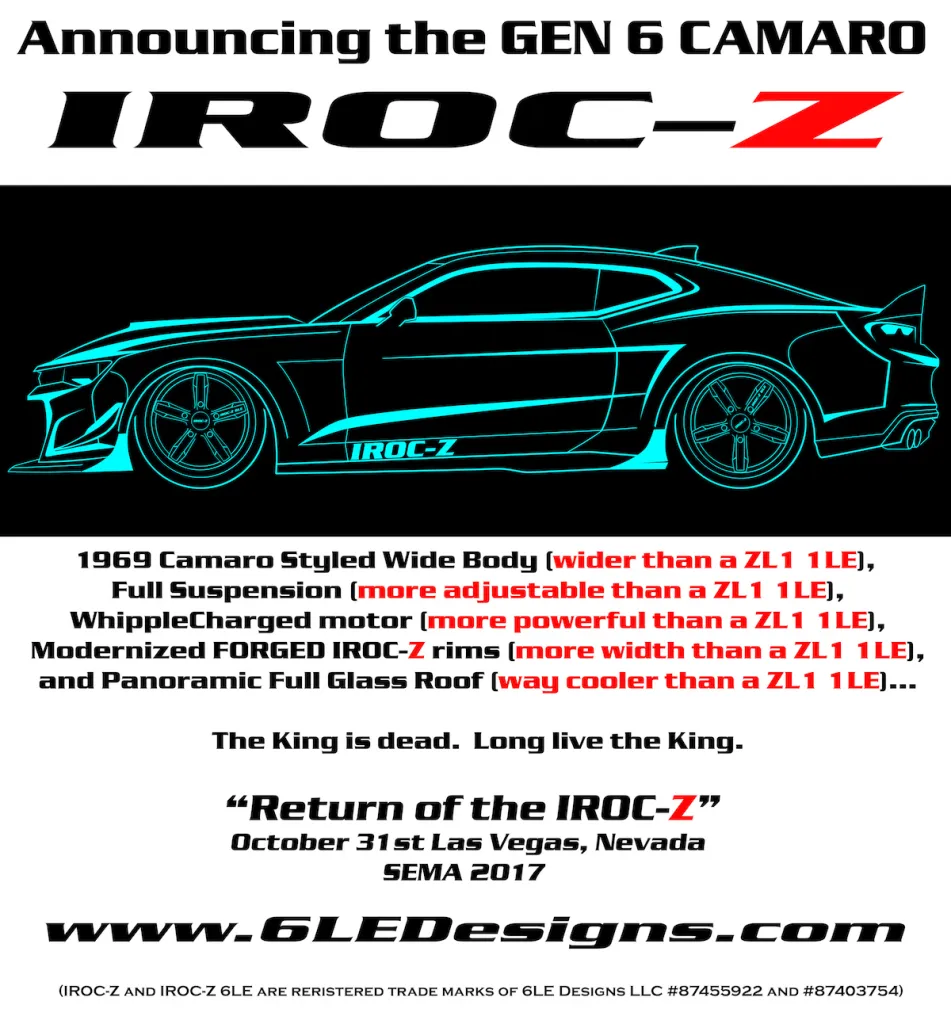
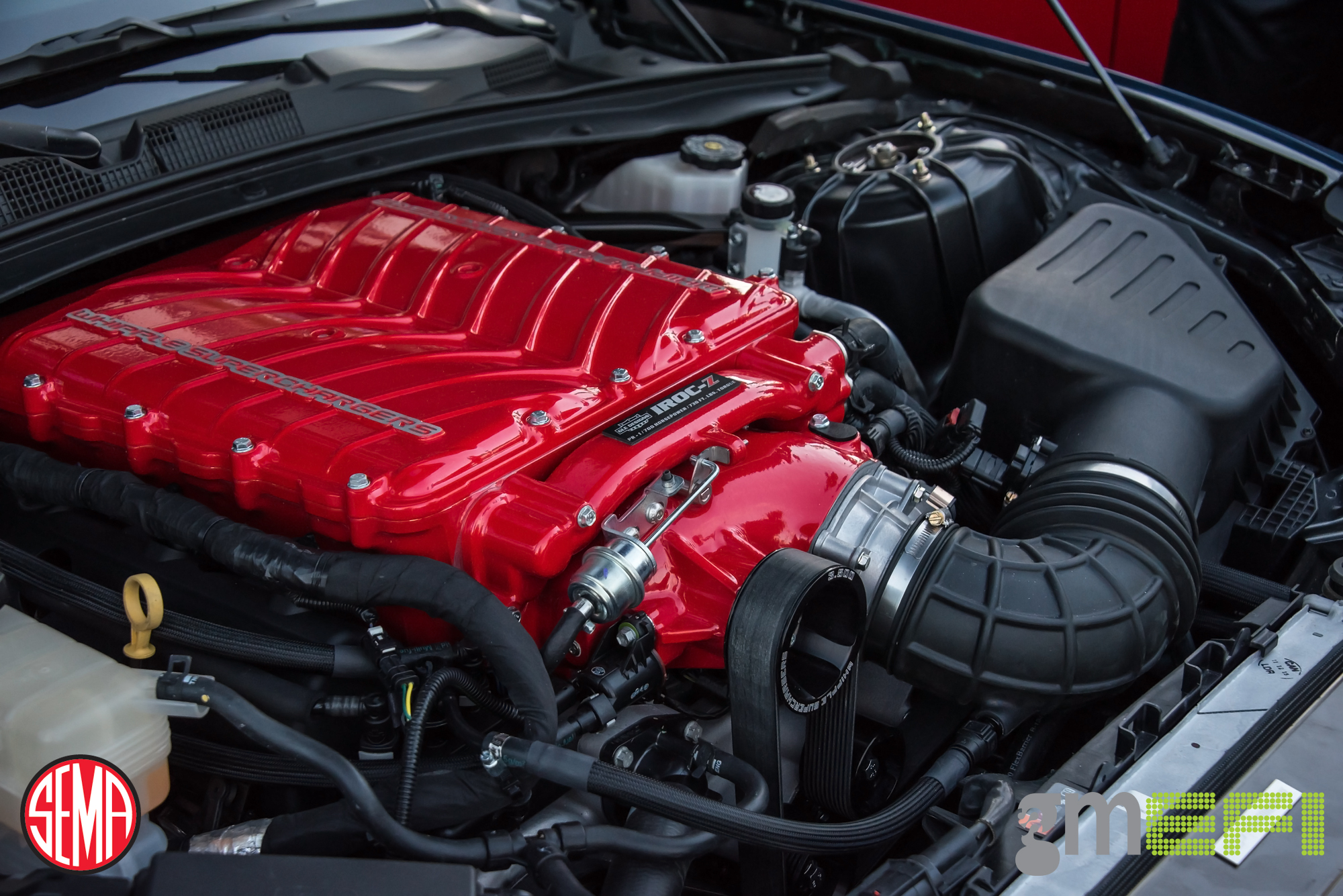
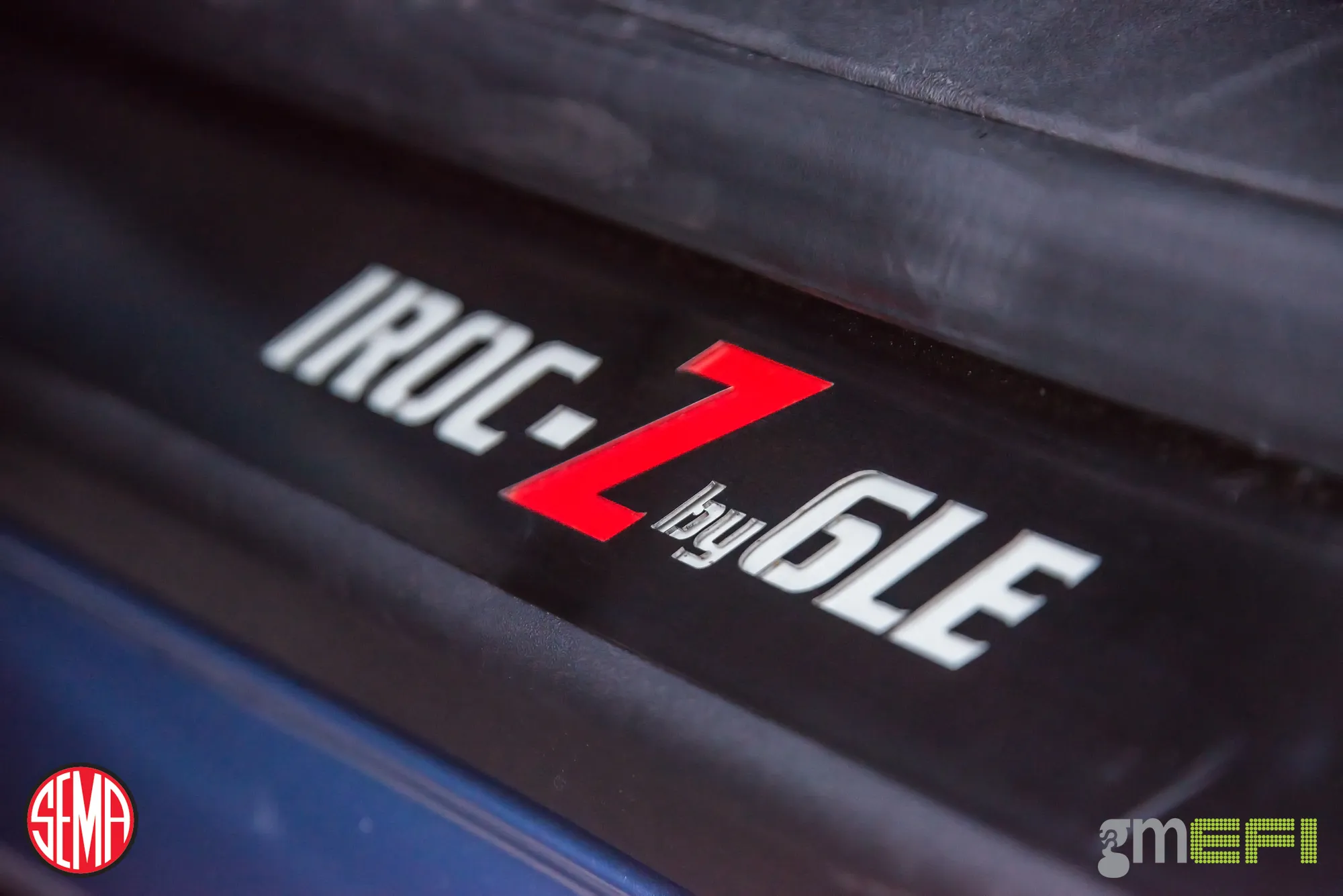
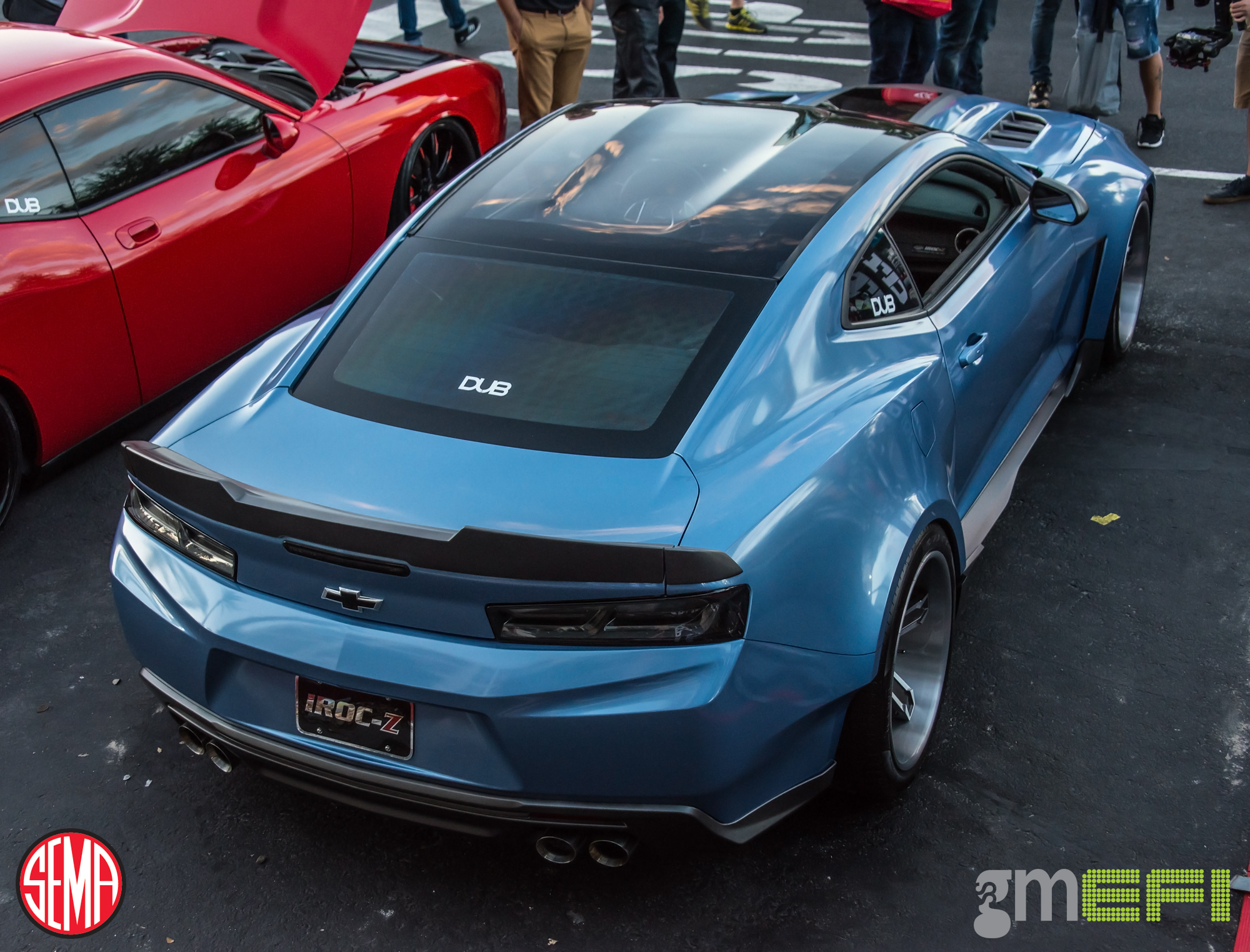
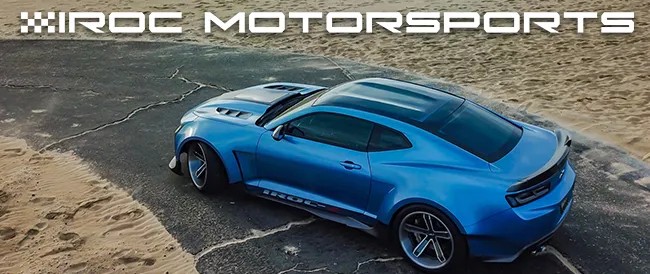
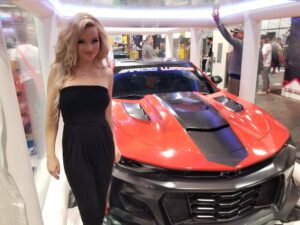
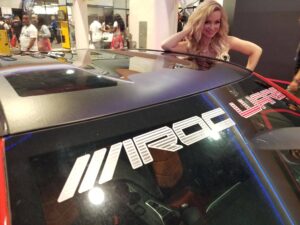
In 2017, Mark DeLisle of 6LE Designs (later renamed IROC Motorsports), secured the licensing of IROC-Z and debuted a 2017 Camaro Widebody IROC-Z at SEMA 2017. Multiple cars were built and displayed around the country through 2026 (as of this writing) and IROC-Z Track Packs (a package of race inspired parts) can be found all around the world.
While the production cars only lasted 5 years, Mark DeLisle and his team have kept the name going strong in its new manifestation for 8 years so far while developing licensing partnerships such as Microsoft, Forza, Heatwave, Factory Reproductions and many more with plans to expand.
Since July 2017, it’s legacy lives on as track inspired IROC Packages and Vehicles offered through IROC Motorsports who are now the caretakers that legally own and license the name IROC and IROC-Z…
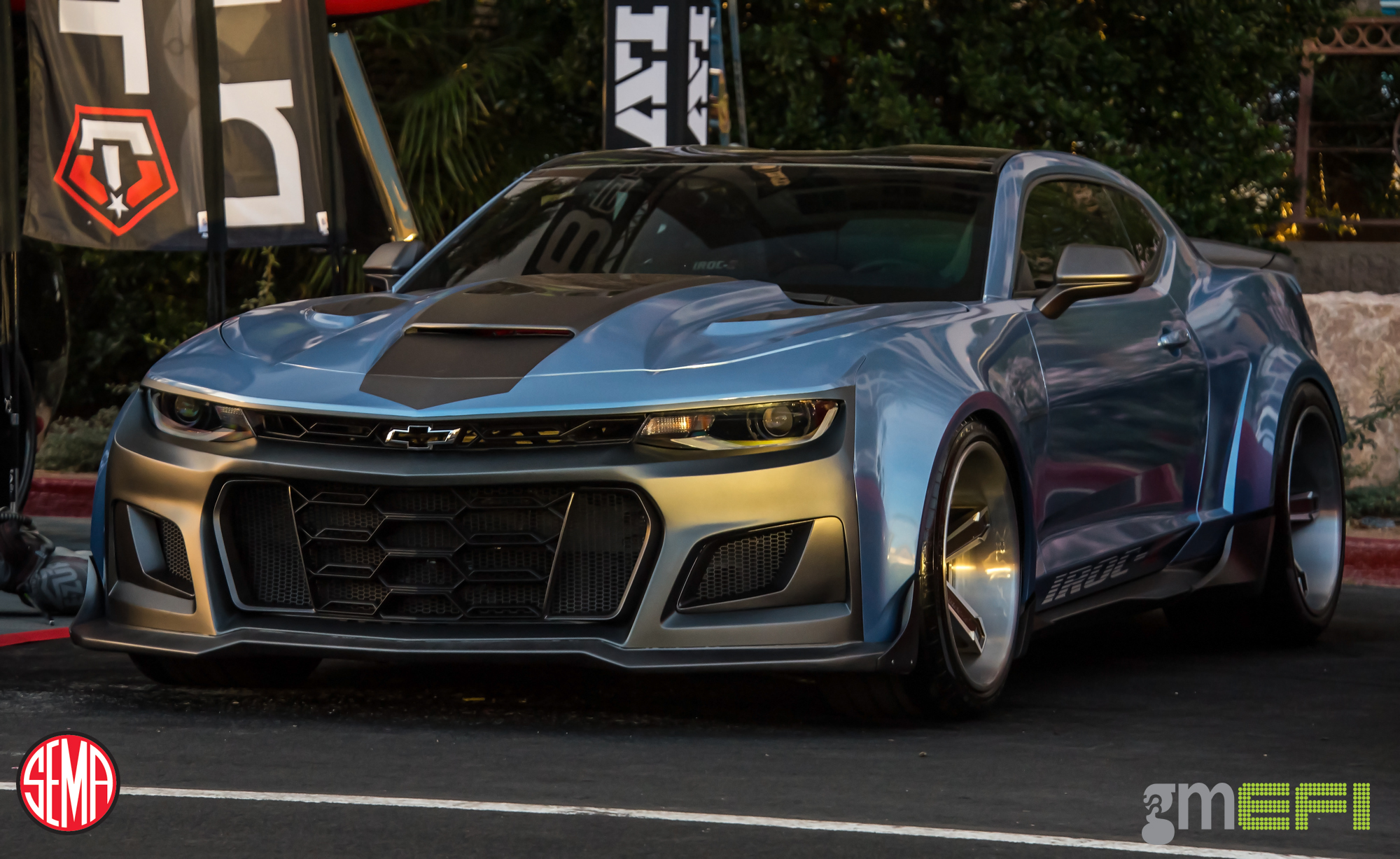
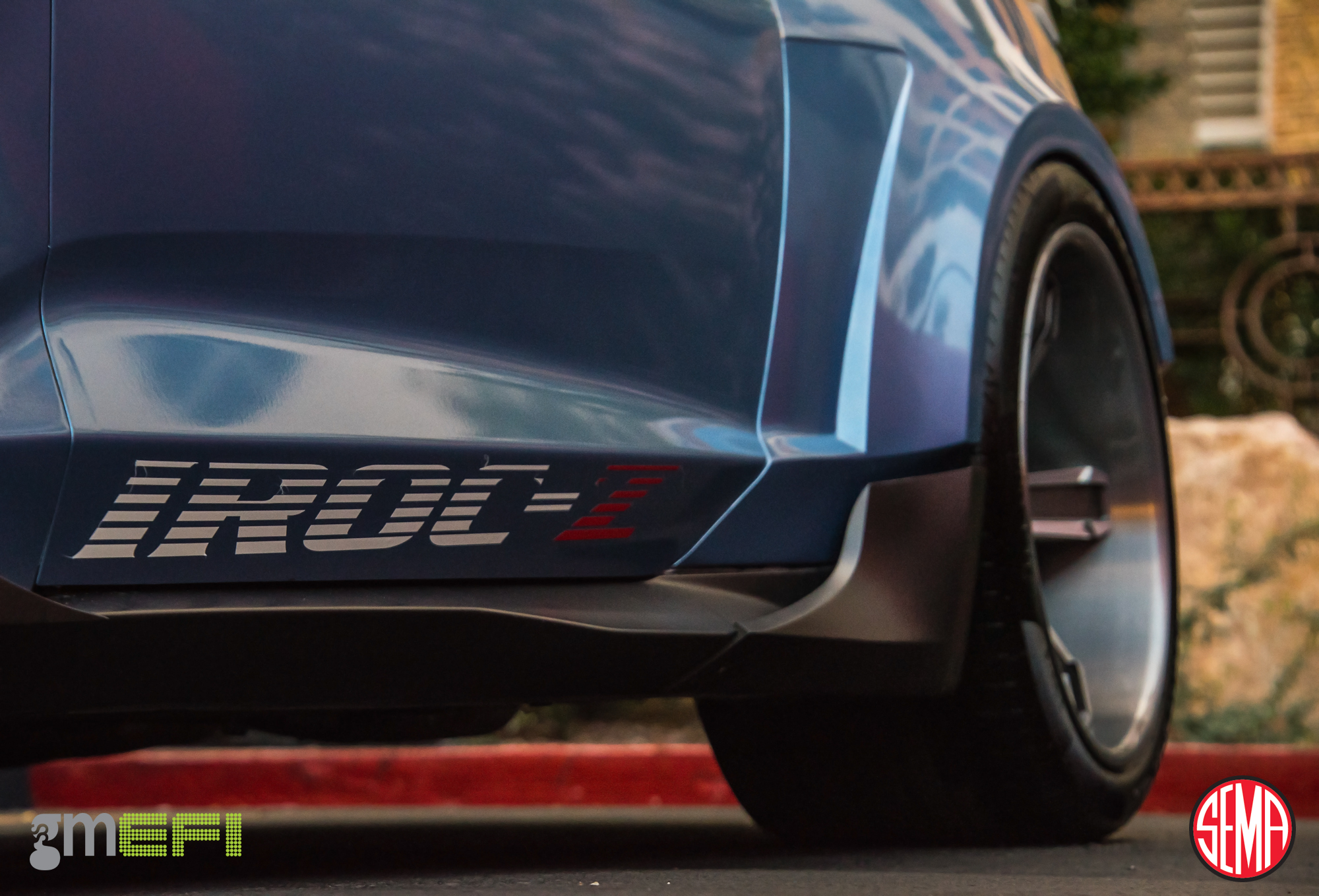
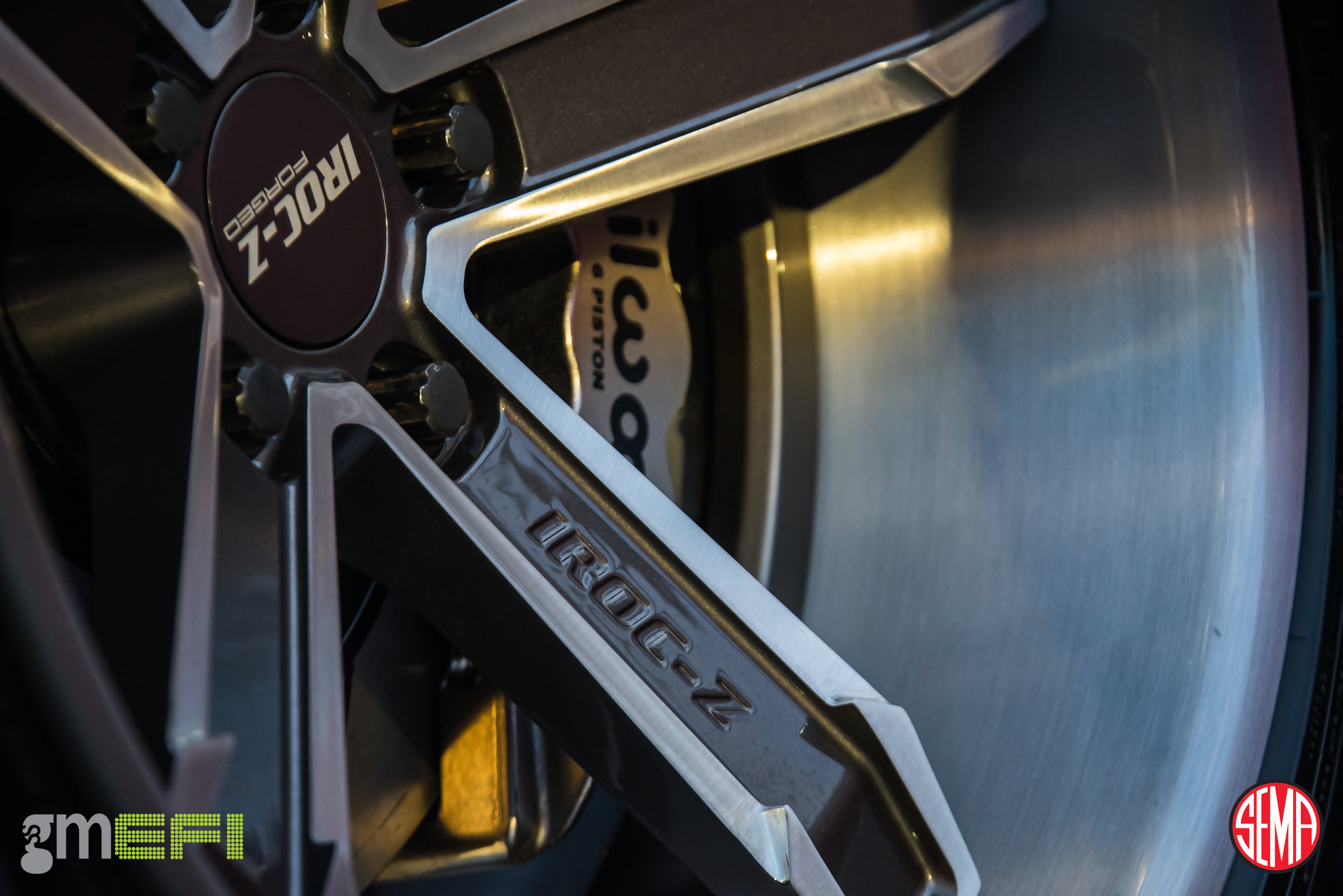
Making sure its heritage is respected and carried into the future has been their goal for the past decade which has led to a renewed interest in possibly bringing the race itself back.
In 2018, IROC Motorsports announced “IROC Wars” a modern incarnation of the IROC Series with Coachella style music and events added making it a three day event….

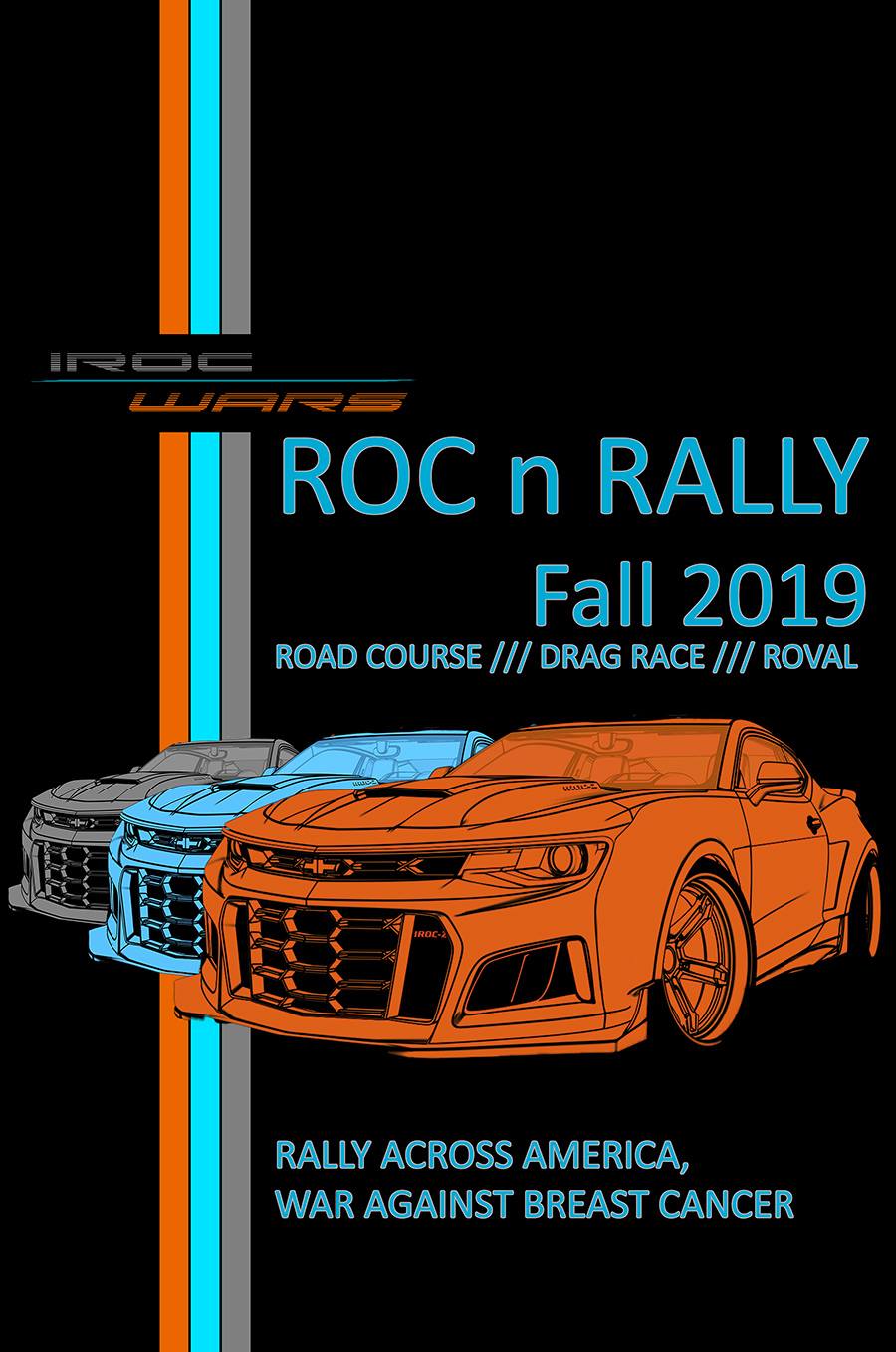
With an all star team of celebrity drivers lined-up and signed up (Pete Shepherd, Cain Velasquez, Mindy Robinson, and more), 17 motors on venues green-lit as well as interest in a doc-series by Netflix (titled “The Road to IROC”), everyone was ready to ROC…
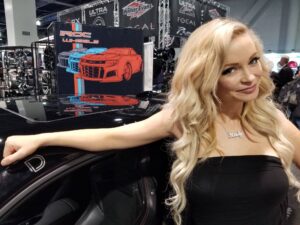
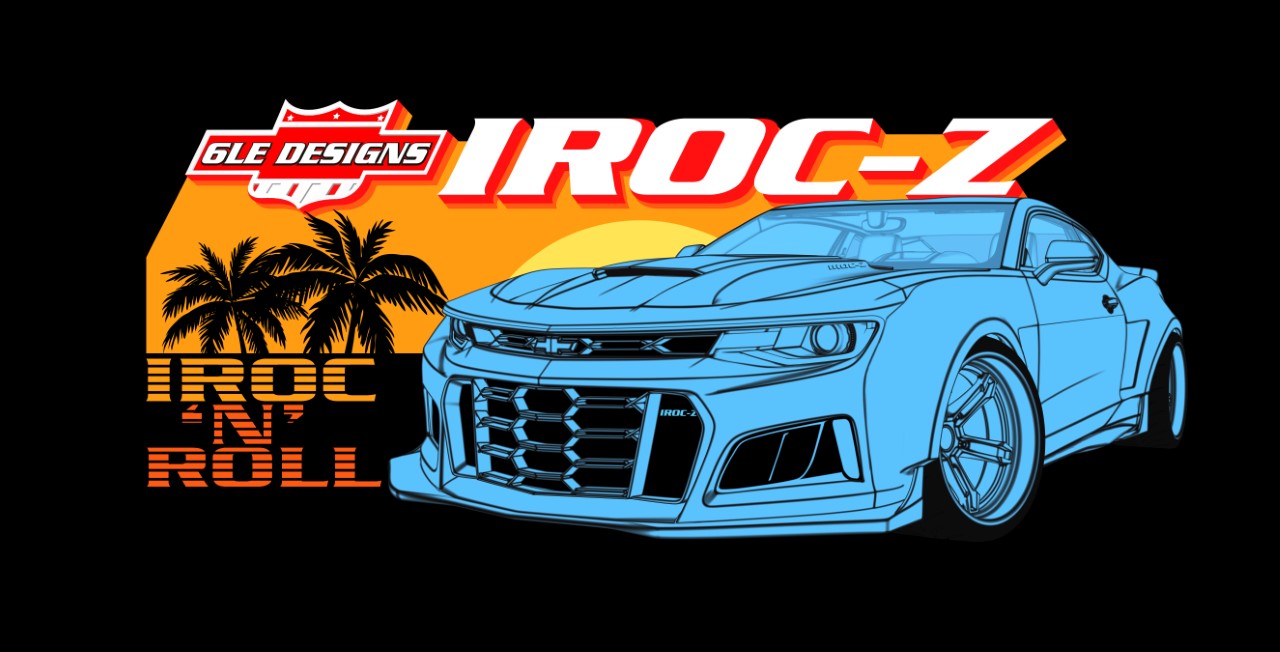
…in 2020 they were set to re-release the race but unfortunately the global pandemic reduced it to an “IROC Wars Drag Race” with Ken Block’s Team at Hoonigan…
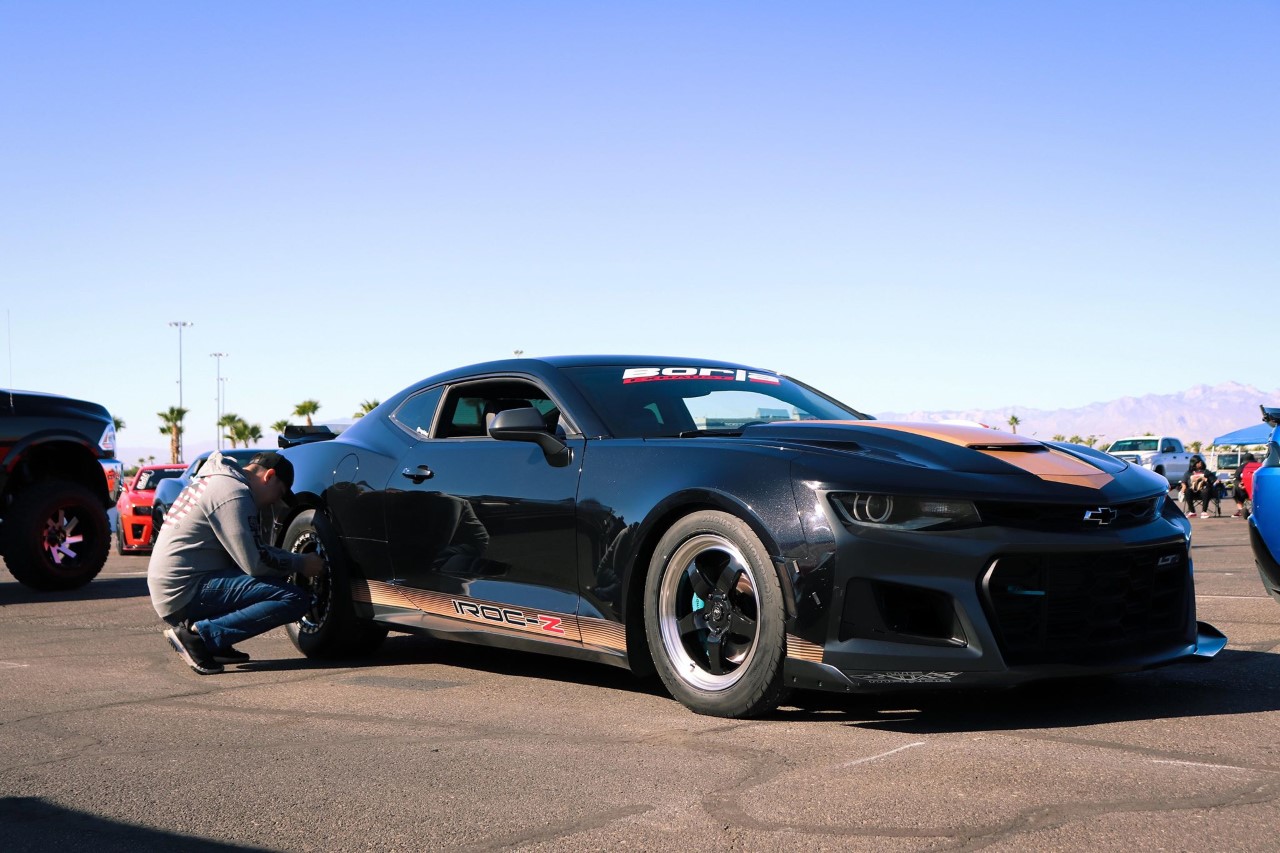
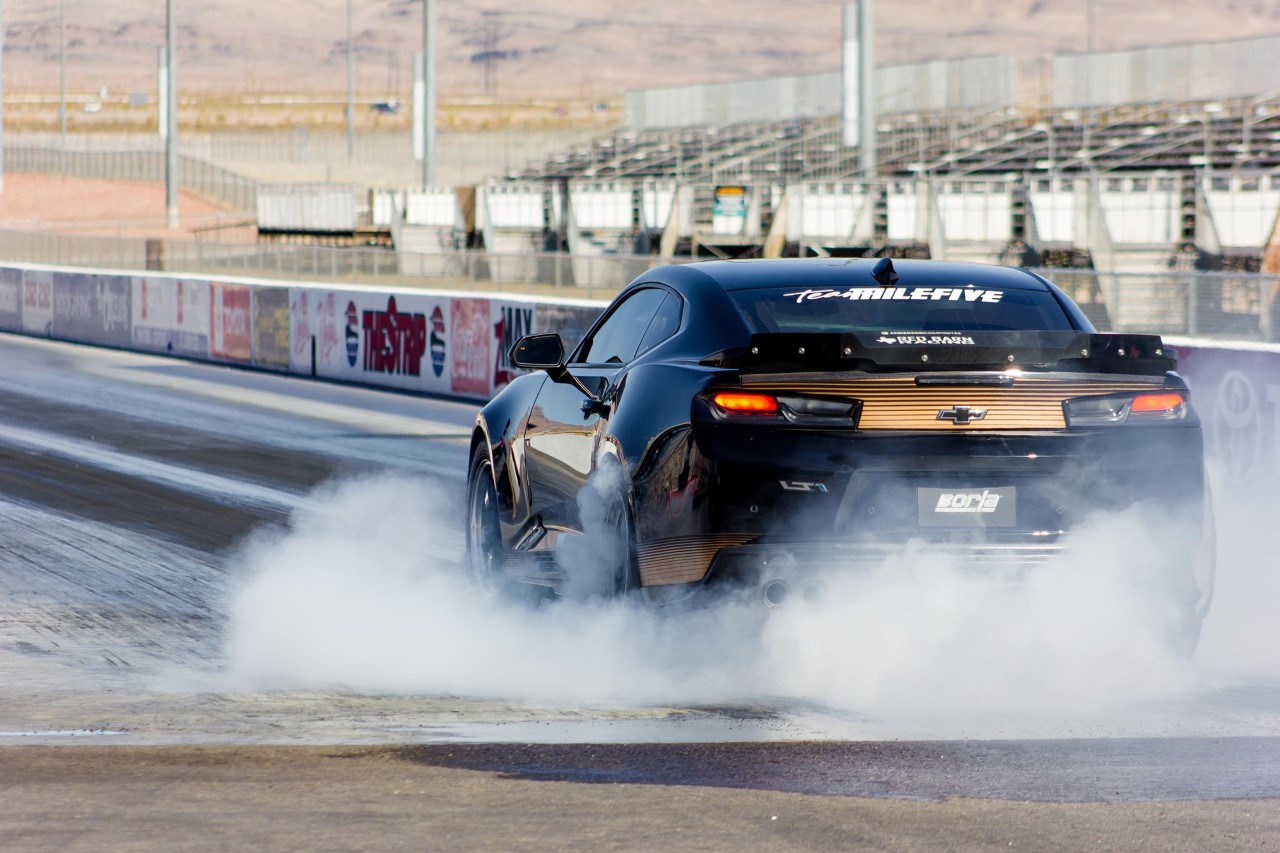
https://www.youtube.com/watch?v=re9zw2hAeng http://First IROC Race 20 Tribute races have recently started appearing, using vintage IROC cars in exhibition races, but IROC Motorsports’ goal is to see the IROC Series revived in a modern format that addresses all of the major issues that led to the series’ demise. Bringing to IROC the appeal of Caochella, Burning Man and EDC festivals, IROC Motorsports’ goal is to create a sort of “Carchella” where enthusiasts can gather for a three day weekend of watching races, participating in races, concerts, food, vendors, car shows, simulated racing, camping and more. All in a “Rock and Roll” style theme the goal is to become the car event of the year, for all car enthusiasts to come have a chance at becoming an “IROC ‘n Roll Champion”.
We are actively partnering with other companies to bring this dream to a reality. With licensing deals in place with, Heatwave, Factory Reproductions, Glasskins, Forza, Microsoft, MAGG Performance, F-Body Customs and many more with many more to come. Be it the exposure of our builds or licensing the name to other companies, we are working to forge a path forward for this legacy… “Champions… by design.” Feel free to contact us if you’re interested in a partnership or licensing the name IROC or IROC-Z (our trademark covers using IROC or IROC-Z on any vehicles, vehicle parts, merchandise and motorsport events) via support@IROCMotorsports.com