IROC Racing HISTORY
The International Race of Champions (IROC) was an “all-star” motor racing series designed to determine the “champion of champions”. Founded in 1973 by Roger Penske, Les Richter, and Mike Phelps, it invited the top drivers from diverse disciplines—NASCAR, IndyCar (USAC/CART), Formula 1, and sports car racing—to compete in identically-prepared cars to eliminate mechanical advantages. 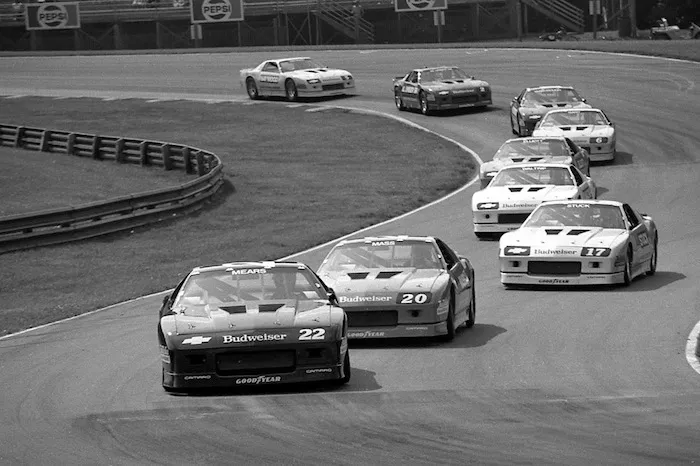
IROC ceased operations in 2006 after losing its title sponsor, and its assets were auctioned off in 2008. As of July 2017, it’s legacy lives on as track inspired IROC Packages and Vehicles offered through IROC Motorsports who are now the caretakers that legally own and license the name IROC and IROC-Z…
Venues
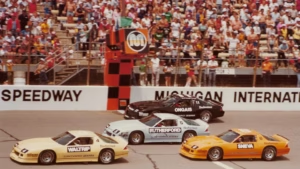
IROC races were held at a variety of tracks, including oval circuits, road courses, and street circuits. This diverse selection of venues tested the drivers’ adaptability and skill across different racing disciplines. While early years were road-course heavy, the series eventually became primarily an oval-track competition, often serving as a NASCAR support event.
Vehicles IROC used purpose-built, identical race cars to eliminate any advantage based on the vehicle or it’s team as all cars were prepped and maintained by one dedicate team to ensure equality among competing drivers. The first years featured Porsche Carrera RSRs but due to vehicle repair and maintenance costs the series transitioned to Domestic Brands as follows; Chevrolet Camaros, Dodge Daytonas, Dodge Avengers and the “Last of the Champions” were Pontiac Trans Ams.
Evolution and Key Eras
 The Porsche Era (1974): The inaugural season featured the Porsche 911 Carrera RSR 3.0. Mark Donohue won the first championship. Due to high maintenance costs, the series transitioned to domestic cars thereafter.
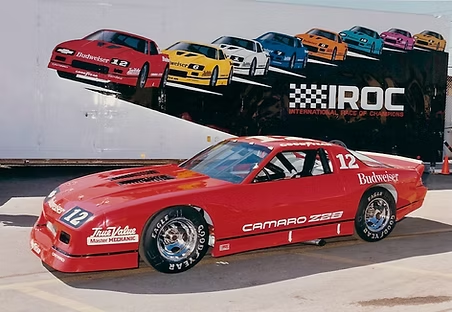
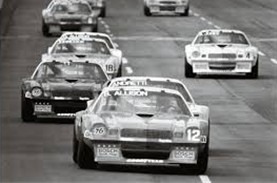
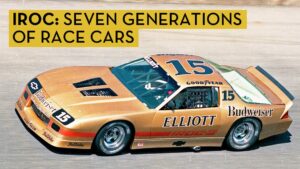
- The Camaro Era (1975–1989): Chevrolet Camaros became synonymous with IROC. This era saw the birth of the iconic IROC-Z production package in 1985, celebrating the series’ return after a 1981–1983 hiatus.
- The Mopar & Pontiac Eras (1990–2006): The series switched to Dodge (Daytona and Avenger) in 1990 and finally to the Pontiac Firebird Trans Am in 1996.
IROC Car Usage Timeline 1973–1974: Porsche Carrera RSR 3.0 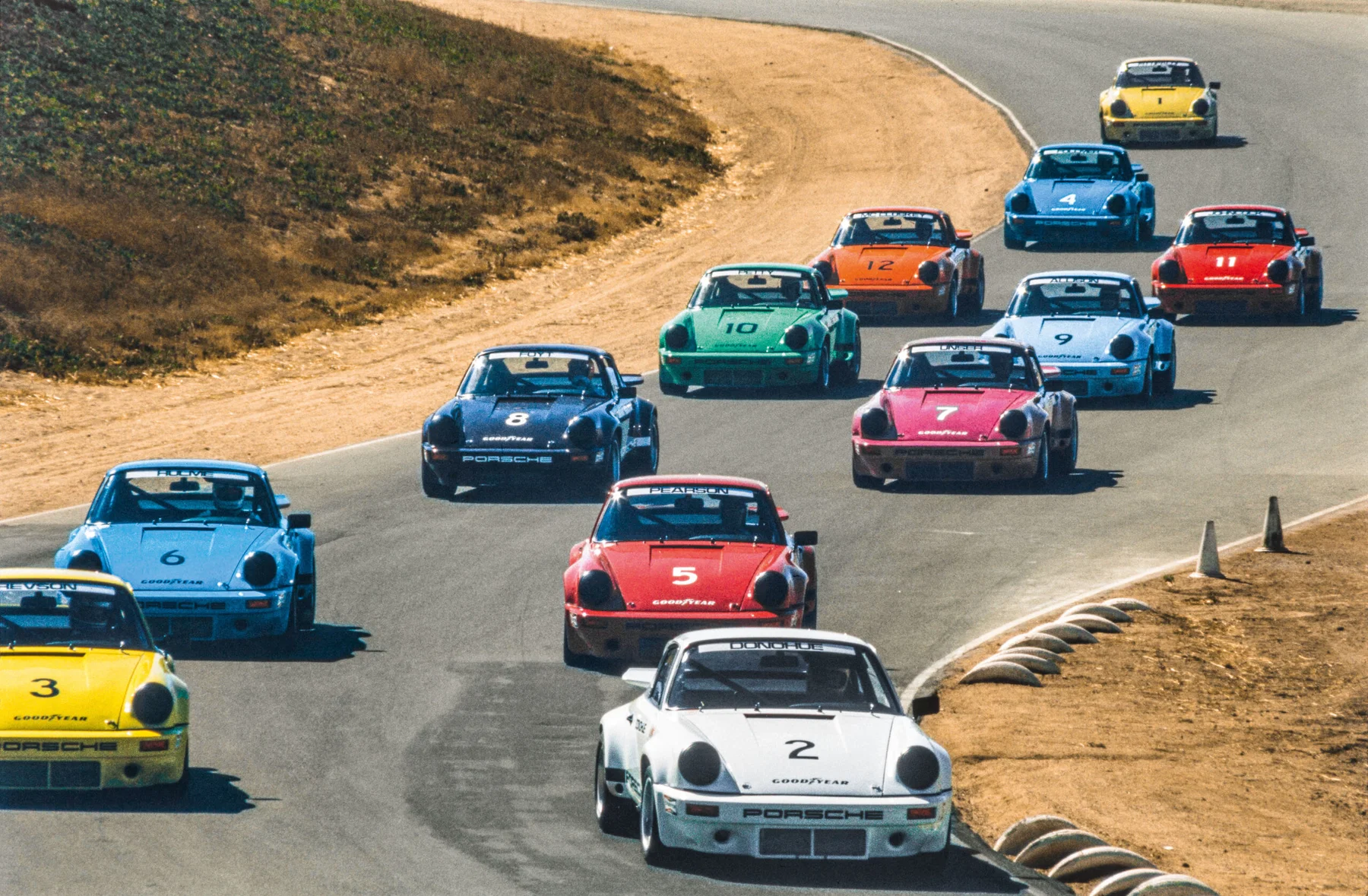
The inaugural season featured 15 identically prepared Porsche 911s in vibrant, unique colors. Mark Donohue won the first title. The series switched to American cars for 1975 due to high maintenance costs and a desire for broader appeal.
1974–1976: Chevrolet Camaro (Gen 1) 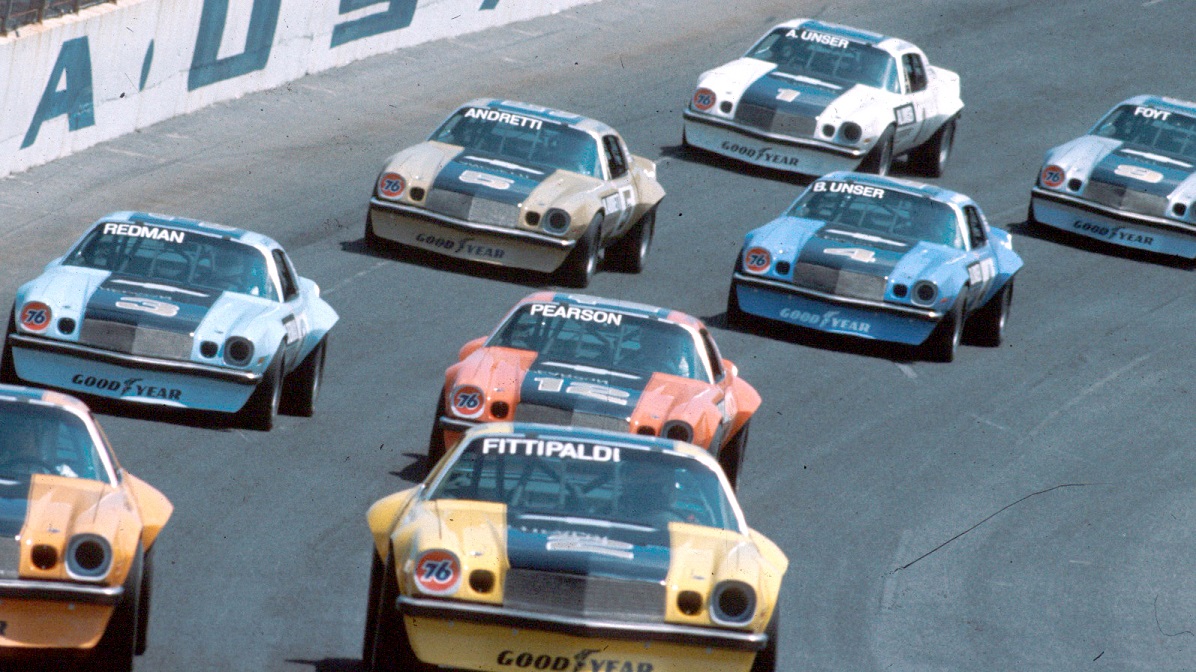
These early Camaros were production-based, steel-bodied cars specially prepared by Penske Racing, featuring 440-hp small-block Chevy engines.
1977–1980: Chevrolet Camaro (Gen 2) 
 For the later 1970s, the series transitioned to tube-frame chassis built by Banjo Matthews, which provided better safety on high-speed ovals.
1984–1989: Chevrolet Camaro IROC-Z (Gen 3) 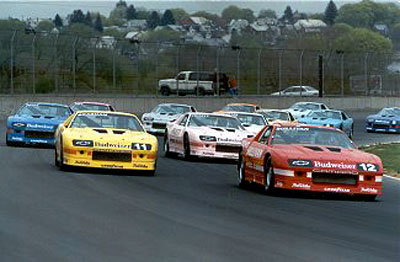 After a brief hiatus, the series returned with the third-generation Camaro. Upgrading their steel body panels with fiberglass made for a much lighter, and quicker, race car. The excitement of IROC was at it’s height during these years, it even led to the first (and only) licensing deal.
1985: Chevrolet Camaro IROC-Z Production Vehicle (Gen 3)
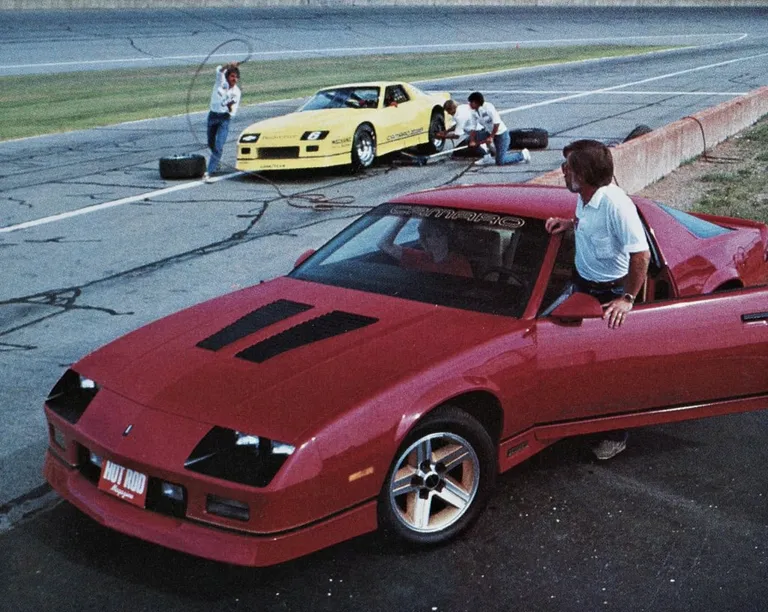
This era birthed the famous IROC-Z street car, a production package sold to the public to commemorate the racing partnership. Larger wheels, a front “wunderbar” added as a chassis brace, foglights, as well as an emblem and decal package brought a lot of attention on the street. Unfortunately, the IROC-Z Package was only in production for less than 5 years before GM pulled out of their licensing deal mid-1990 causing only half a year production run for 1990, never to be seen again until 2017.
1990–1993: Dodge Daytona
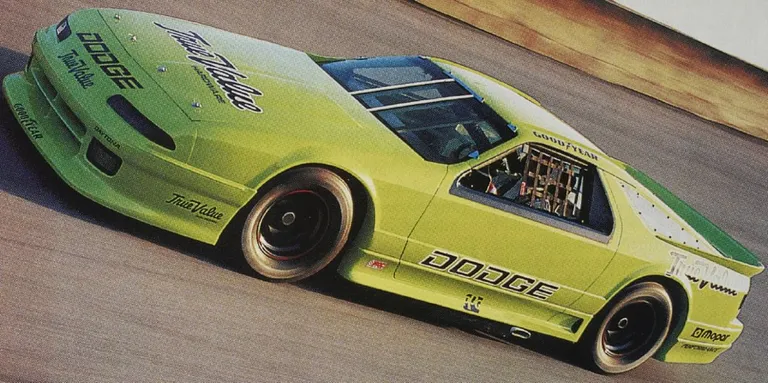
In 1990, Dodge replaced Chevrolet as the primary manufacturer, though many of the existing tube-frame chassis were simply retrofitted with Dodge bodywork and powerplants.
1994–1995: Dodge Avenger 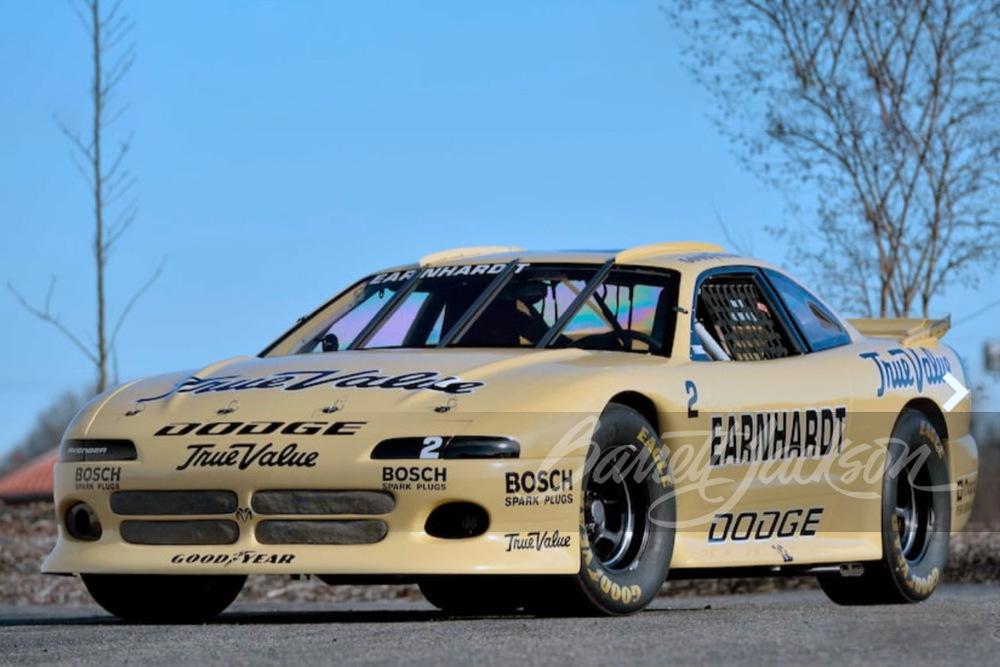
The series updated the bodywork to reflect Dodge’s new flagship coupe, the Avenger, while maintaining the standardized mechanical underpinnings.
1996–2006: Pontiac Firebird Trans Am- “Last of the Champions”
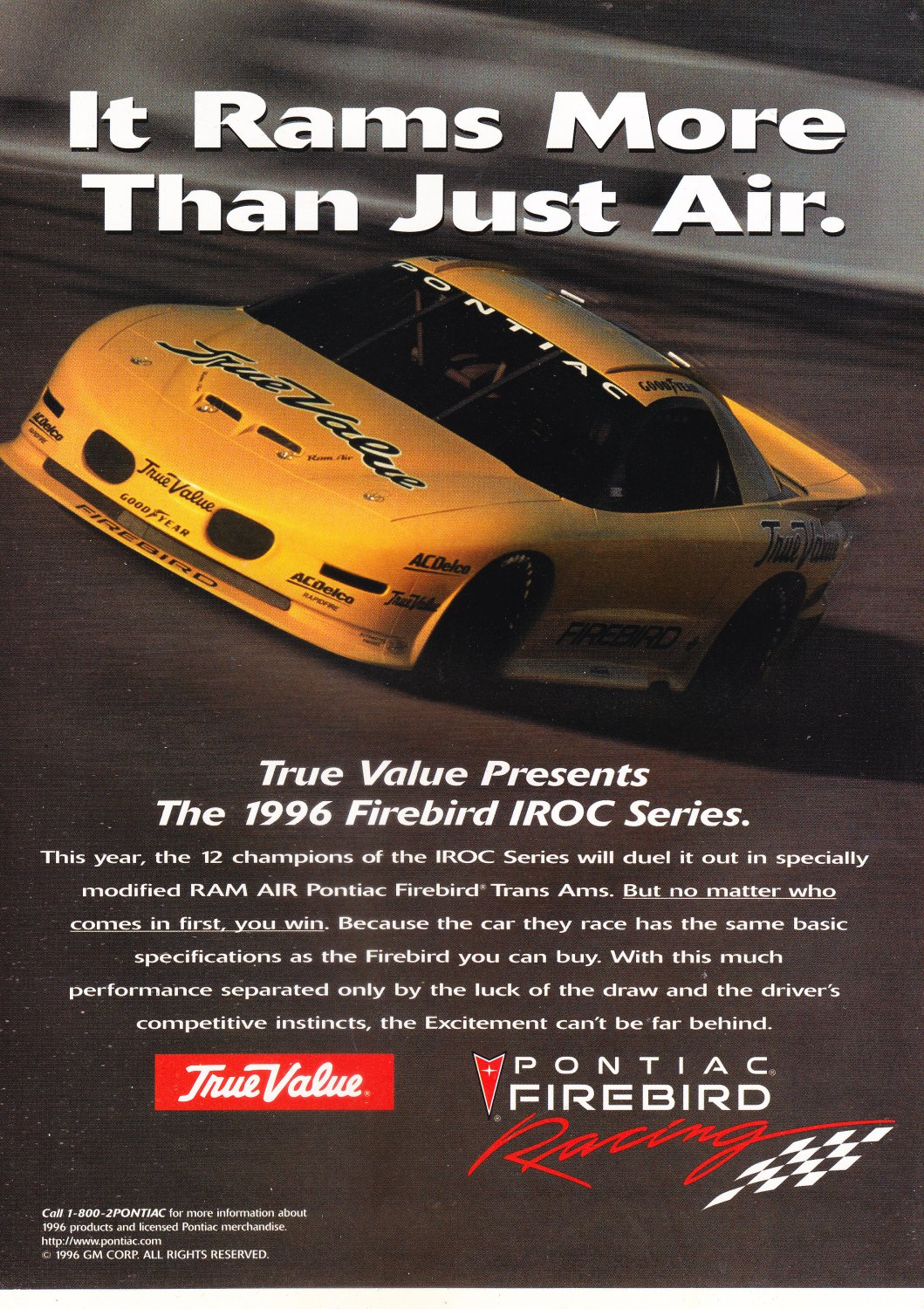
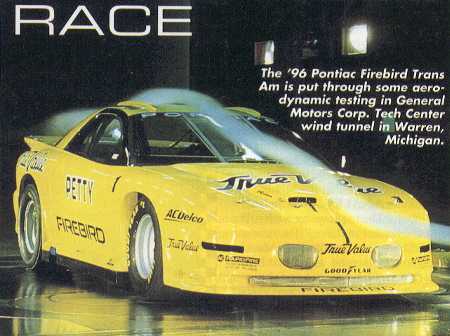
The final and longest-running era used the Pontiac Firebird Trans Am. This era saw the dominance of NASCAR drivers like Mark Martin, who won four titles during this span.
1993-1997 Gen 4 Firebird Models were raced from 1996-1997
1998-2002 Gen 4 Firebird Models were used from 1998-2006
Spanning an entire decade, the Firebirds saw more action in IROC Racing than any other models. Also, being the last cars ever used to race in the original IROC Series, we have crowned them, “Last of the Champions”…
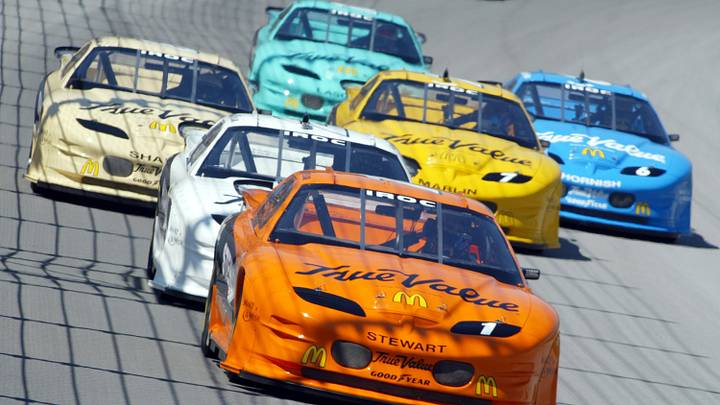
Drivers IROC invited the best drivers from various racing series, ensuring a diverse and competitive field. Champions from NASCAR, IndyCar, Formula 1, and sports car racing were regularly included, creating an eclectic mix of talent. Fan favorites in the International Race of Champions (IROC) often included drivers who dominated the series or were immensely popular in their home disciplines, especially NASCAR, which the series aligned with later in its run.
Top IROC Fan Favorites
- Mark Martin: Widely considered the “King of IROC” by many fans, Martin holds the series records for most championships (five) and most race wins (thirteen). His success in identical cars was seen as proof of pure driving talent, earning him a dedicated following.
- Dale Earnhardt: Known as “The Intimidator” in NASCAR, Earnhardt brought his aggressive driving style and massive fanbase to IROC. He won four championships and eleven races, often engaging in fierce battles that thrilled fans.
- A.J. Foyt: A legendary figure who won in nearly every form of motorsport, A.J. Foyt was a major draw in the early IROC years. He was a two-time champion (1976 and 1977) and provided iconic moments, such as a photo finish against Bobby Unser at Daytona.
- Al Unser Jr.: Representing the IndyCar world, Al Unser Jr. was a two-time IROC champion (1986 and 1988) and a popular figure in the series, continuing the legacy of the famous Unser racing family.
- Mario Andretti: One of the most versatile drivers ever, Andretti’s participation as an F1 and IndyCar champion added international prestige and a broad fanbase to the series, winning the 1979 championship.
- Jeff Gordon: A multi-time NASCAR champion, Gordon was a prominent figure in the later years of IROC, adding significant star power and a large modern fanbase to the events.
Demise and Recent Revival
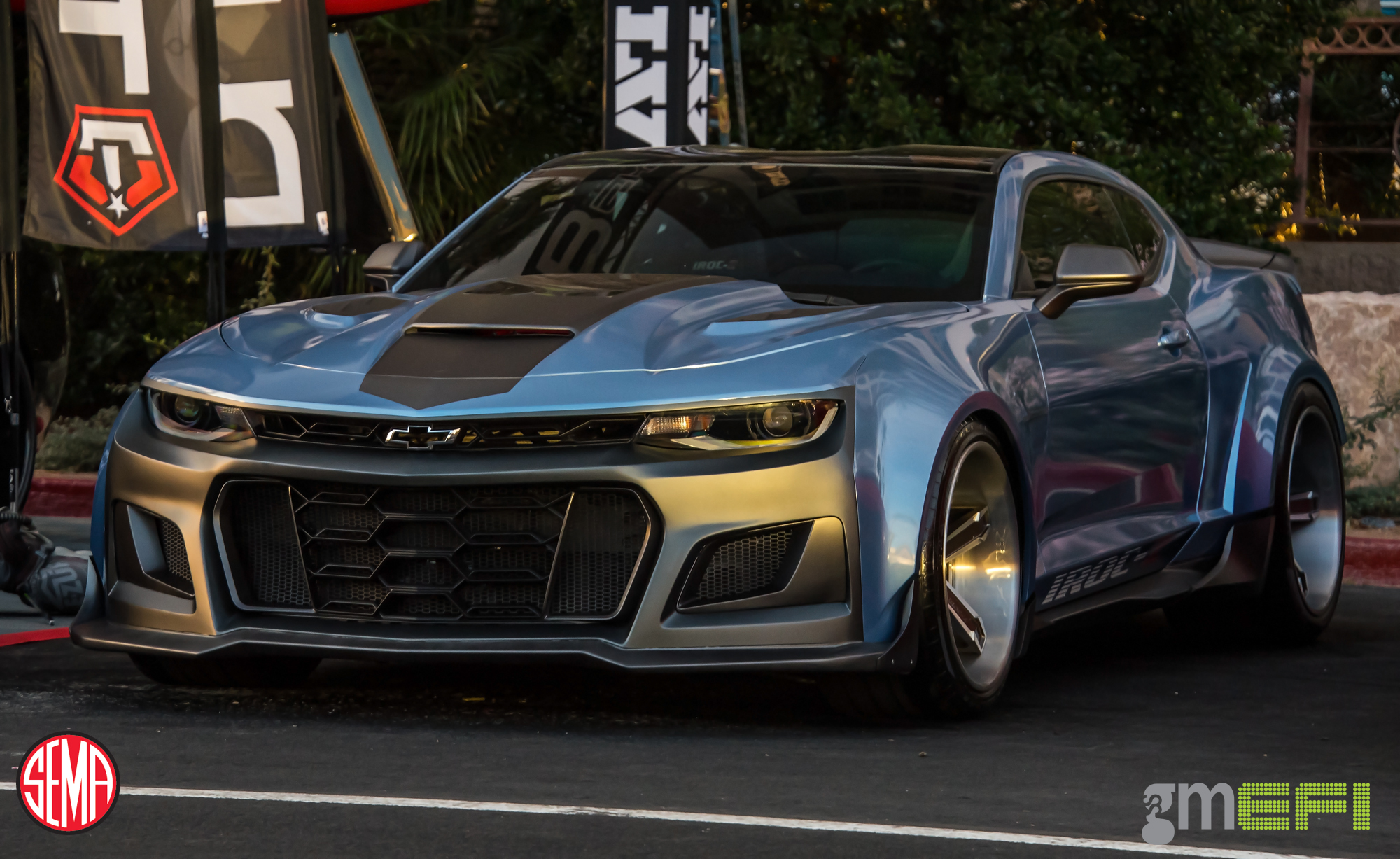
The series officially ceased operations in 2006, with Tony Stewart winning the final championship in a Pontiac Firebird. IROC ceased operations in 2006 after losing its title sponsor, and its assets were auctioned off in 2008. In July of 2017 it was announced that the IROC-Z nameplate would return to Camaros on the Gen 6 Platform… 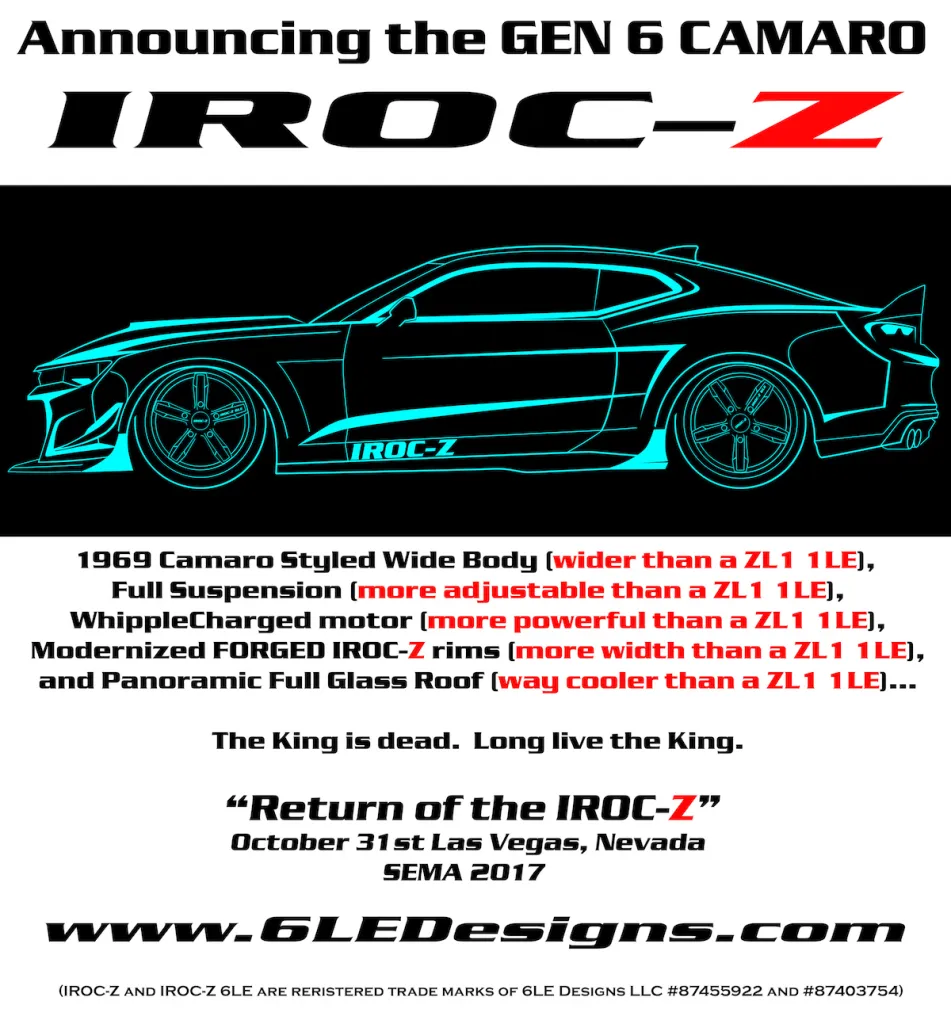
As of July 2017, it’s legacy lives on as track inspired IROC Packages and Vehicles offered through IROC Motorsports who are now the caretakers that legally own and license the name IROC and IROC-Z…
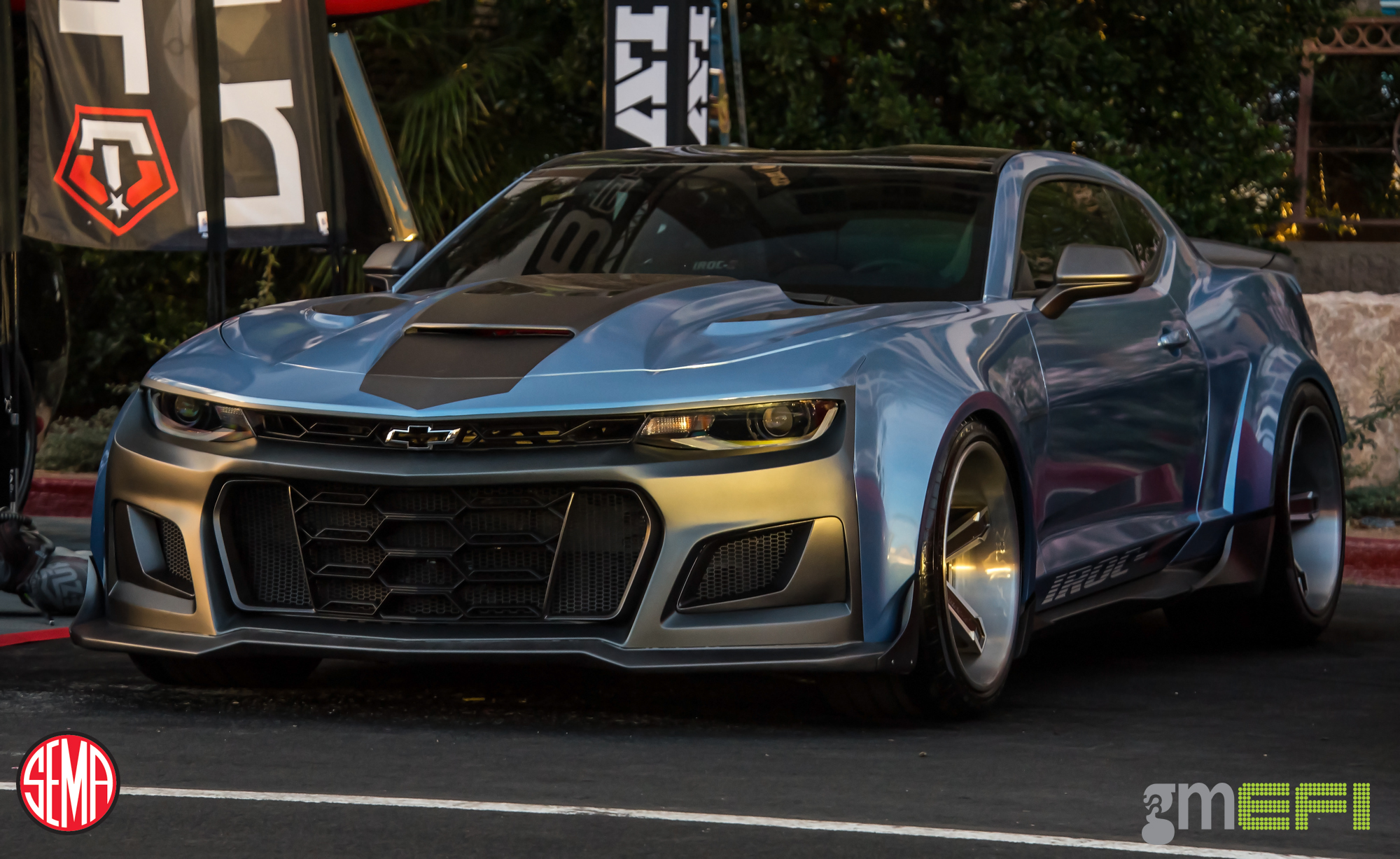
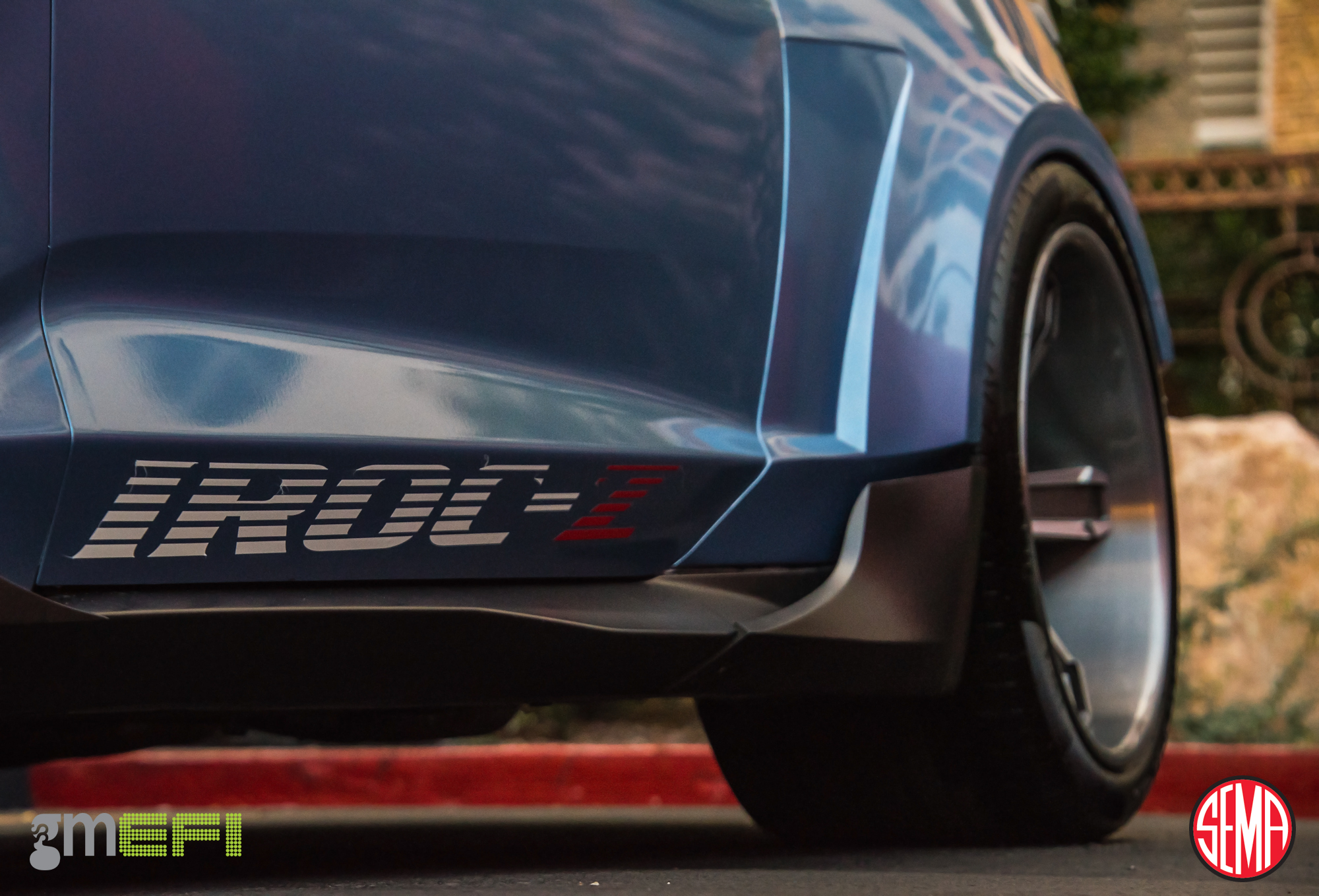
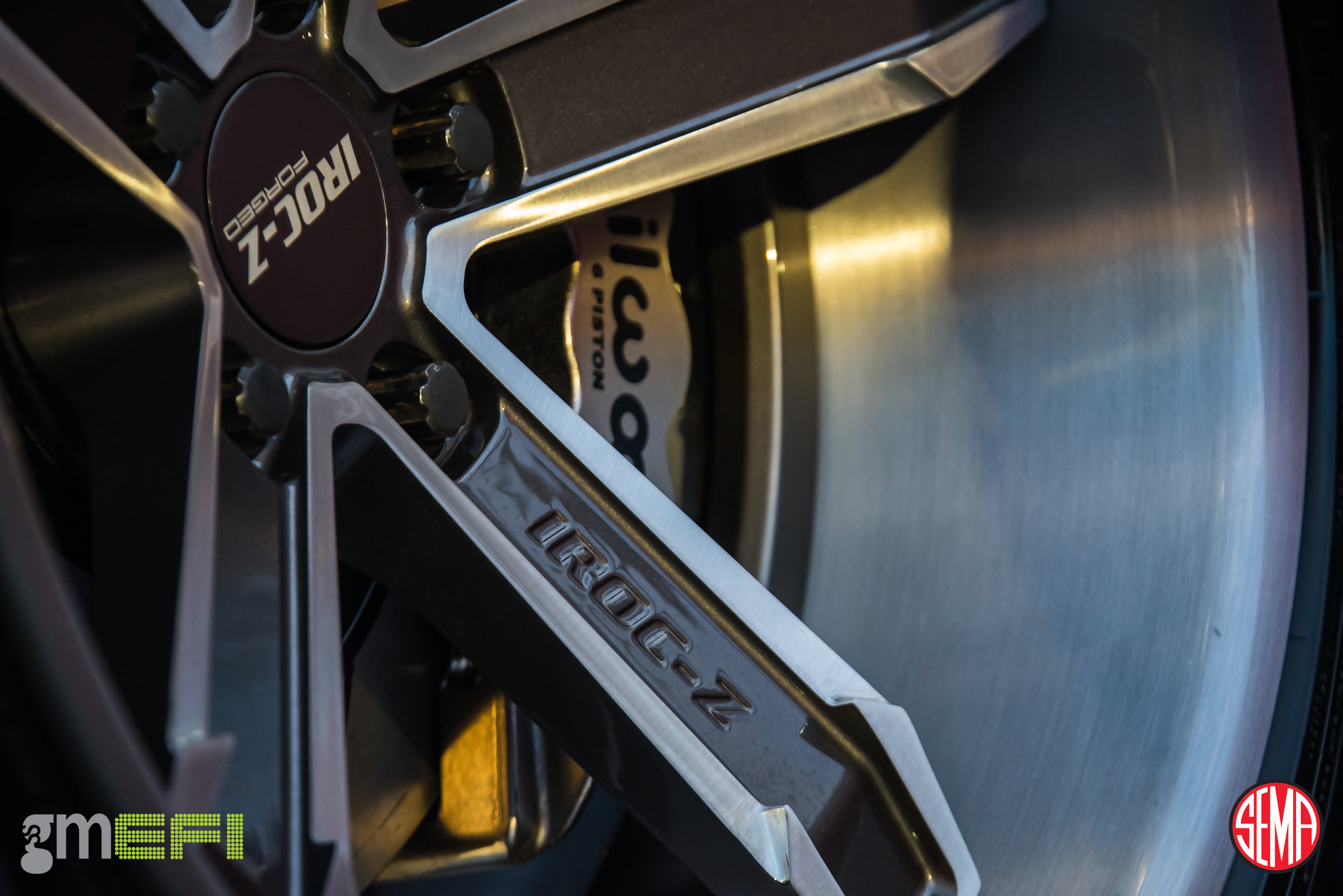
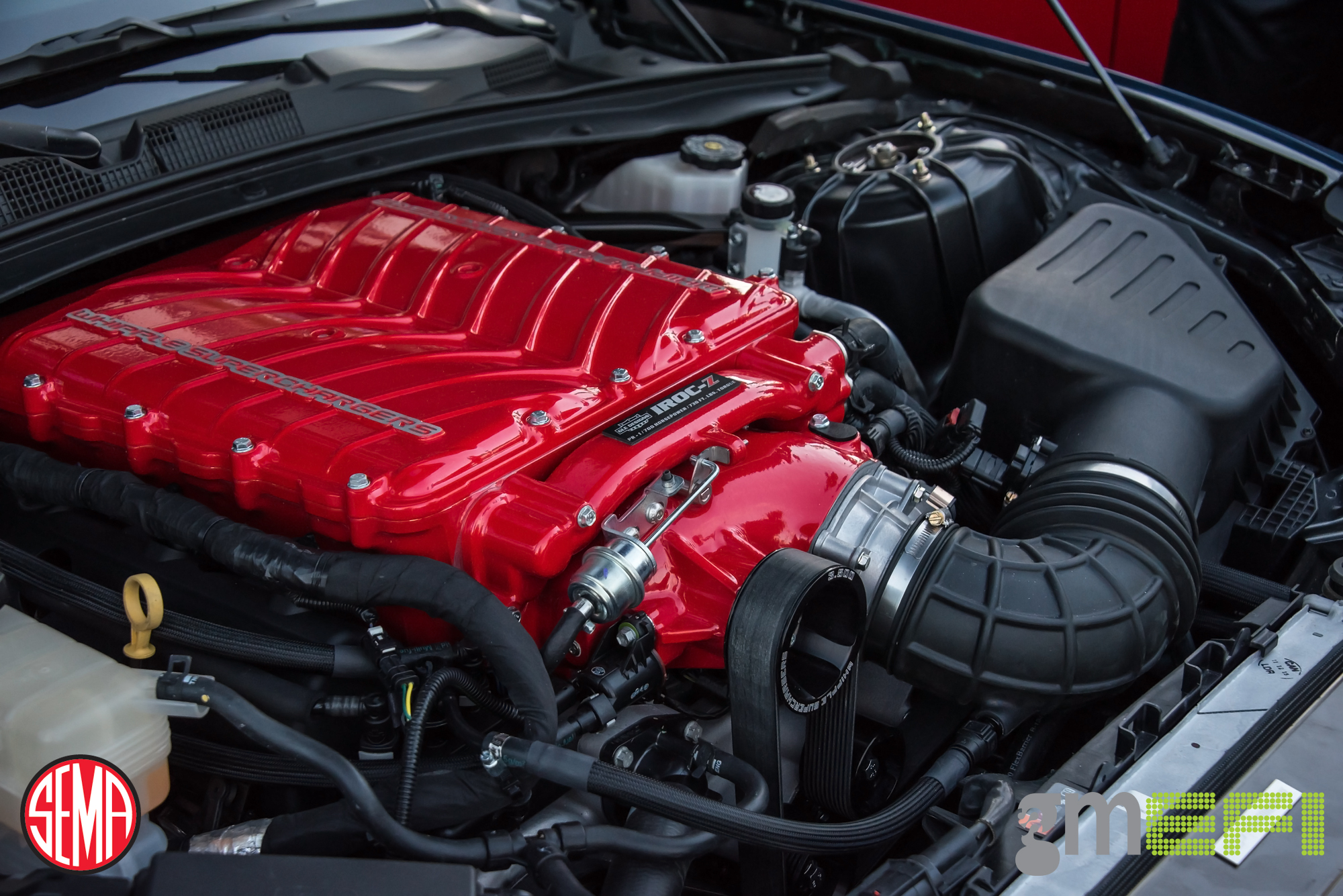
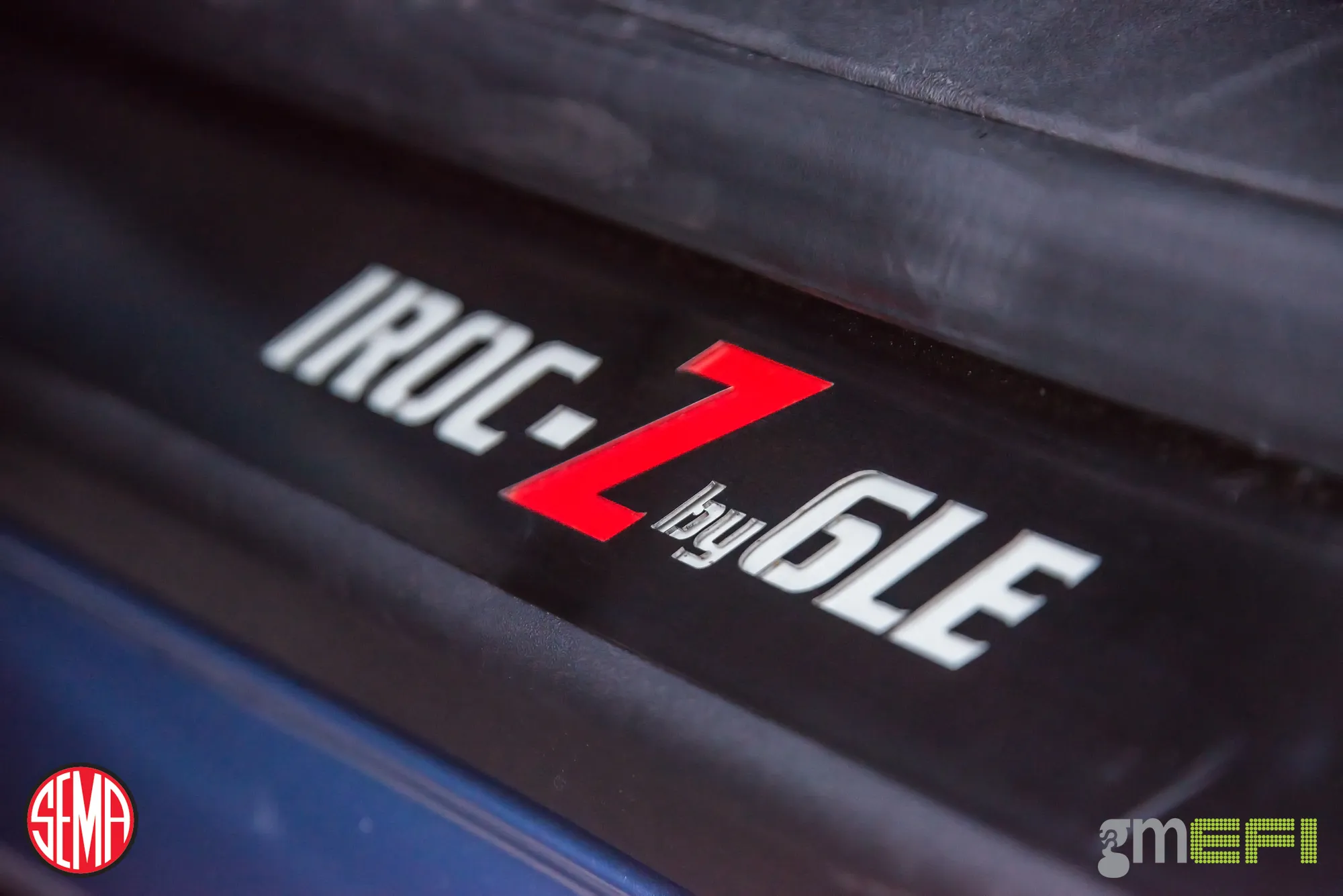
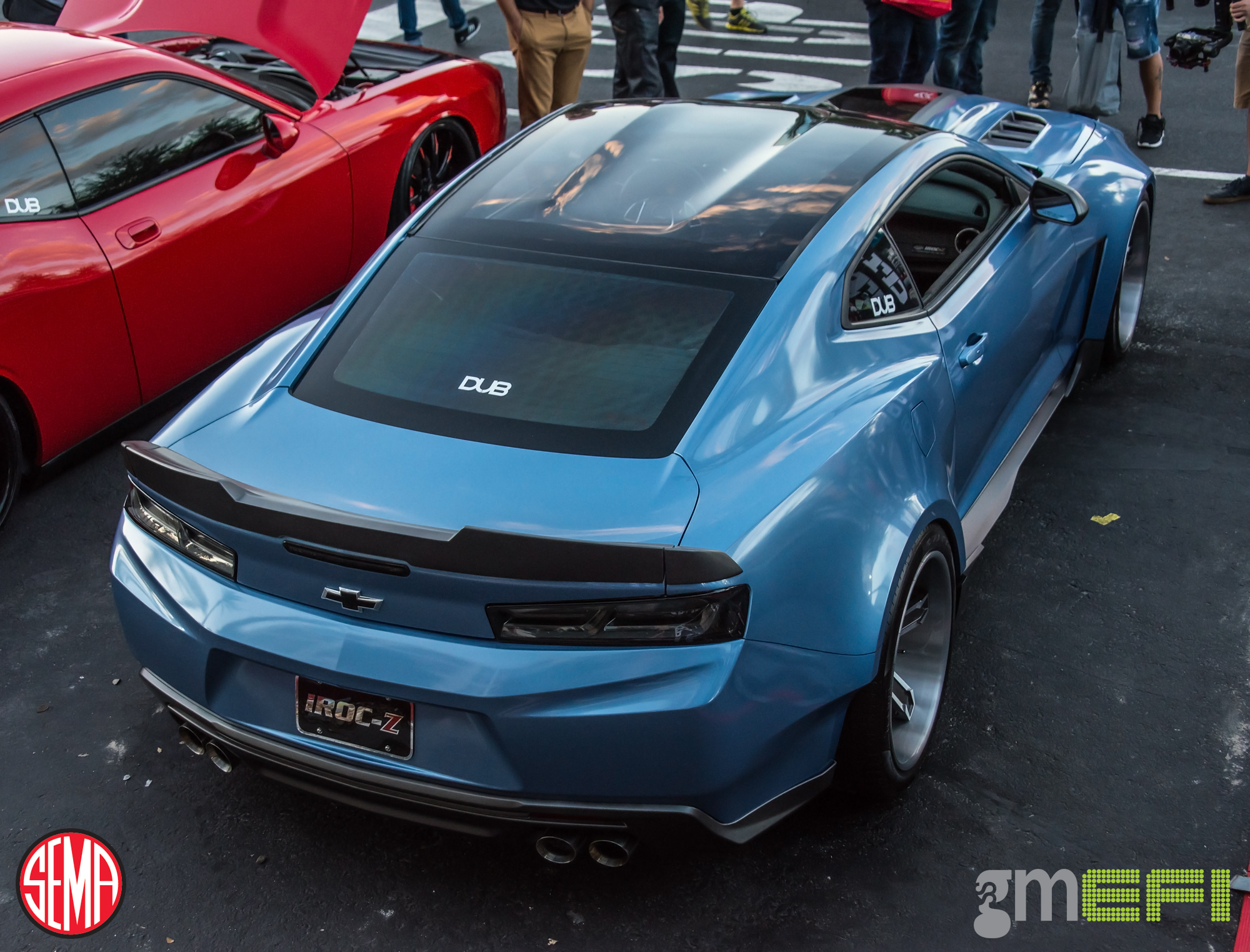
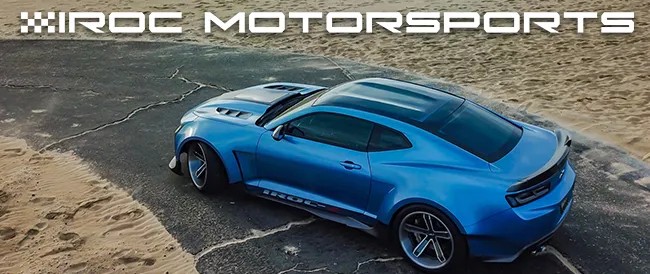
Making sure its heritage is respected and carried into the future has been their goal for the past decade which has led to a renewed interest in possibly bringing the race itself back.
In 2018, IROC Motorsports announced “IROC Wars” a modern incarnation of the IROC Series with Coachella style music and events added making it a three day event….

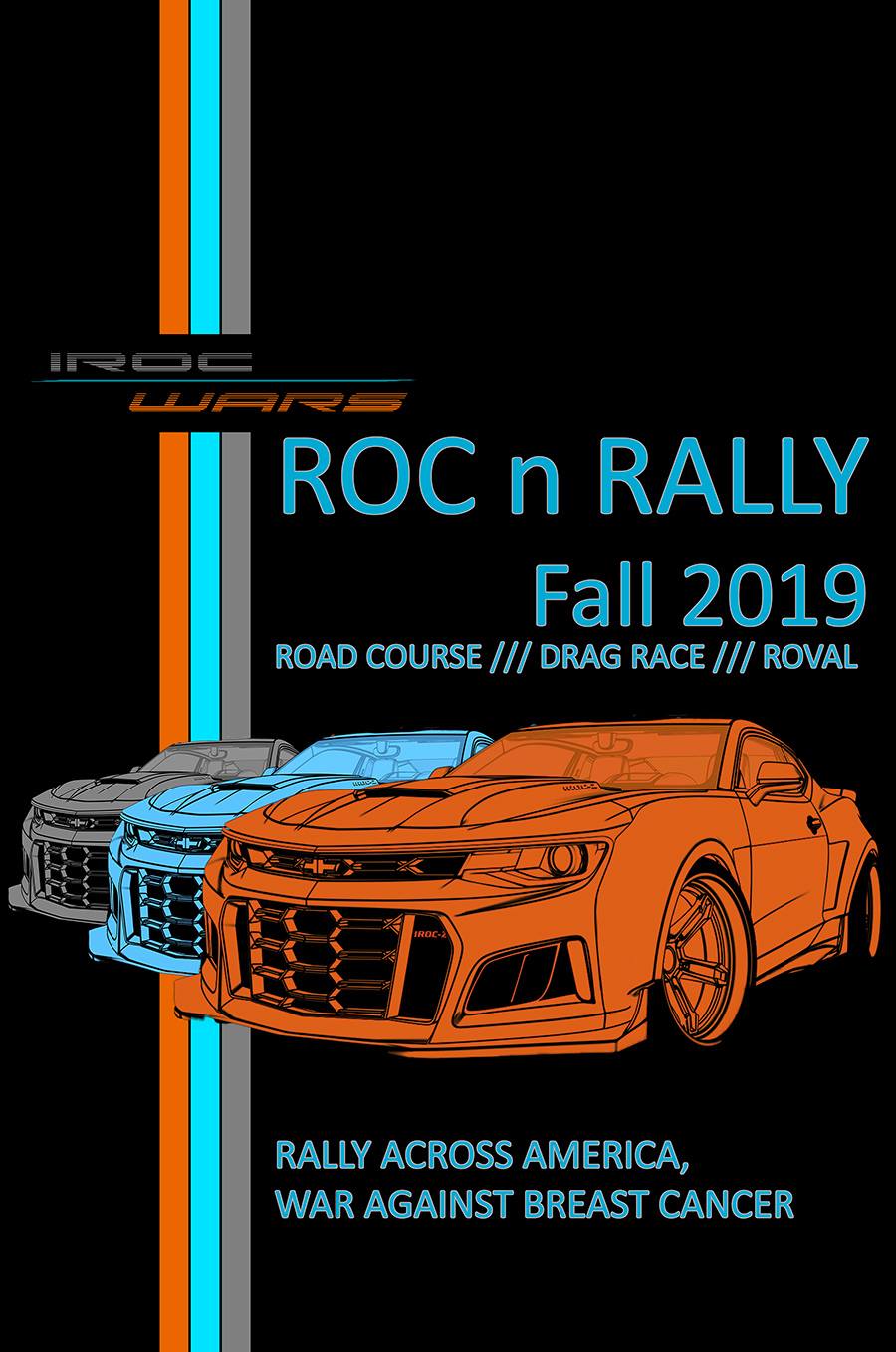
With an all star team of celebrity drivers lined-up and signed up (Pete Shepherd, Cain Velasquez, Mindy Robinson, and more), 17 motors on venues green-lit as well as interest in a doc-series by Netflix (titled “The Road to IROC”), everyone was ready to ROC…
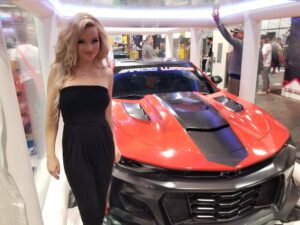
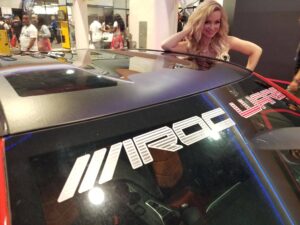
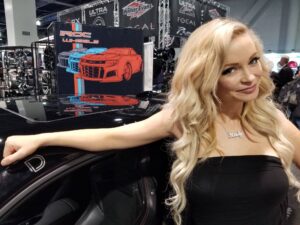
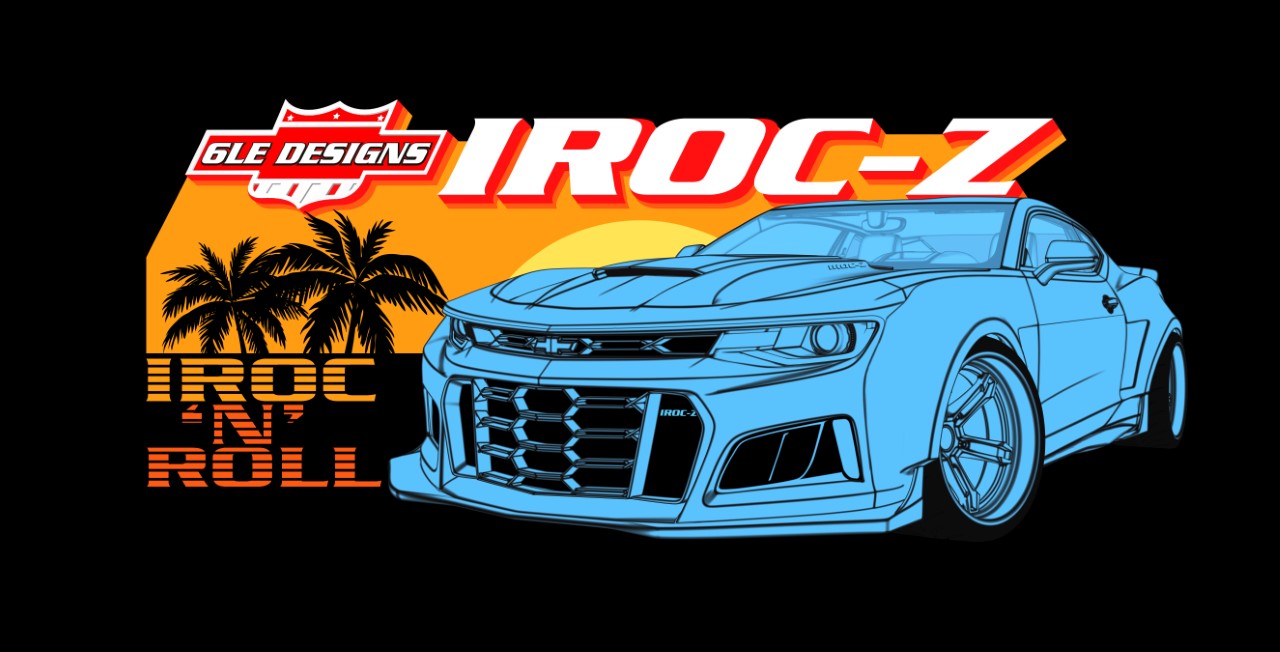
…in 2020 they were set to re-release the race but unfortunately the global pandemic reduced it to an “IROC Wars Drag Race” with Ken Block’s Team at Hoonigan…
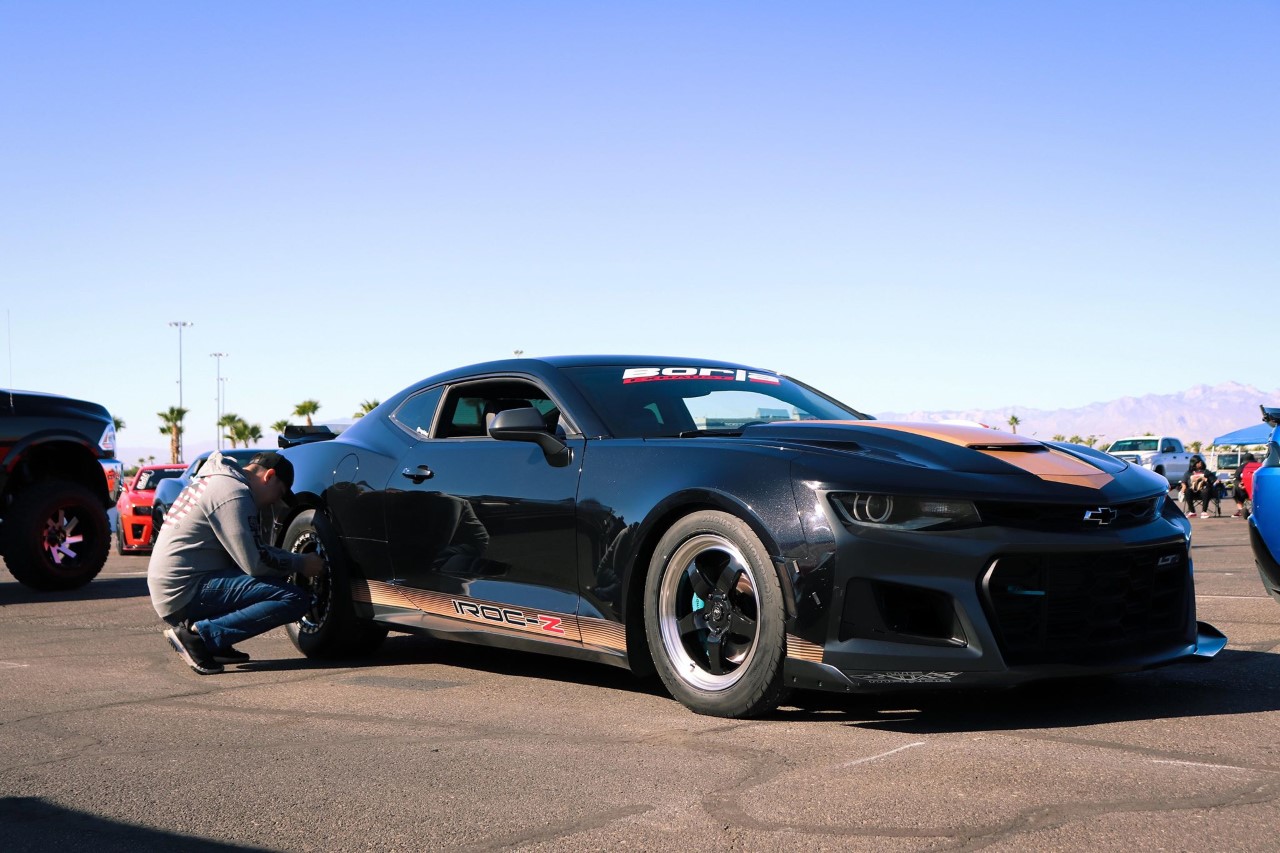
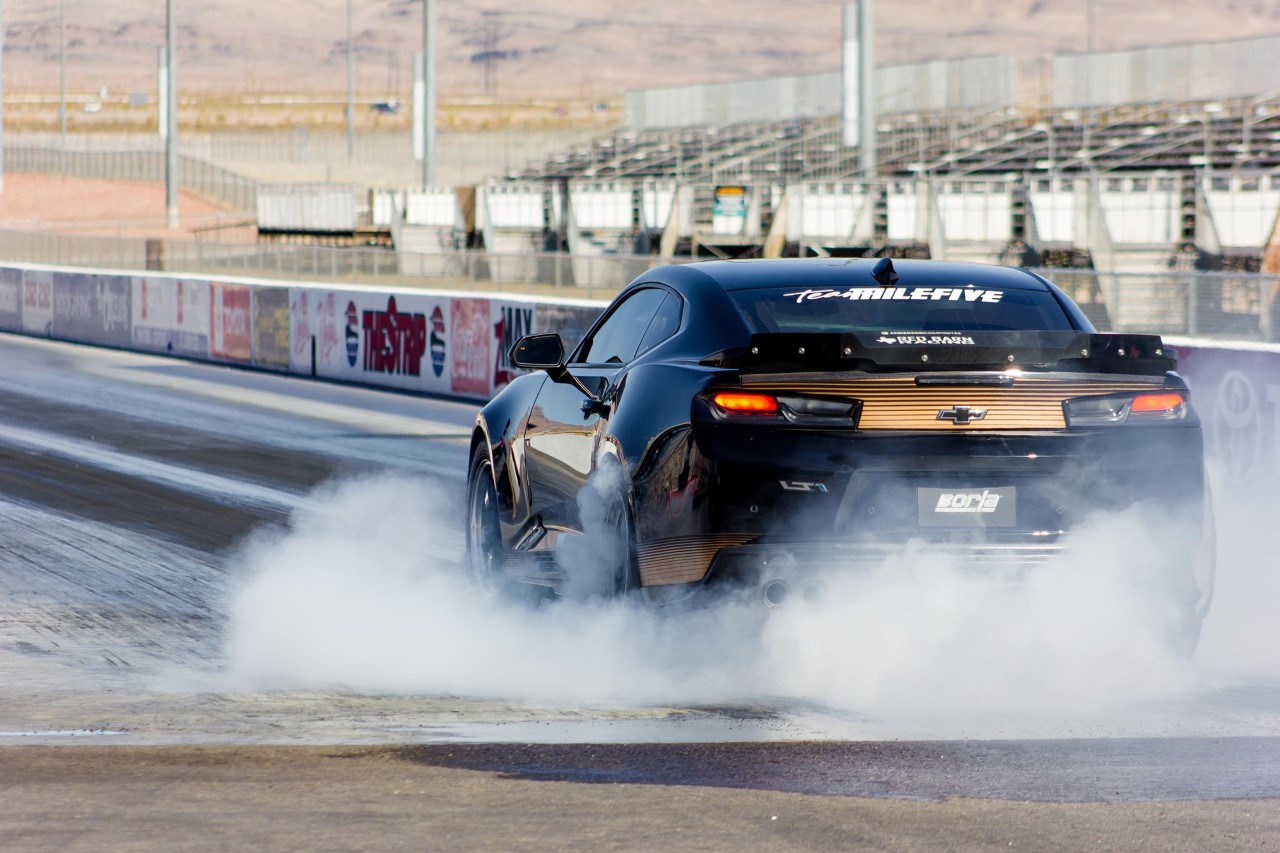
https://www.youtube.com/watch?v=re9zw2hAeng http://First IROC Race 20 Tribute races have recently started appearing, using vintage IROC cars in exhibition races, but IROC Motorsports’ goal is to see the IROC Series revived in a modern format that addresses all of the major issues that led to the series’ demise. Bringing to IROC the appeal of Caochella, Burning Man and EDC festivals, IROC Motorsports’ goal is to create a sort of “Carchella” where enthusiasts can gather for a three day weekend of watching races, participating in races, concerts, food, vendors, car shows, simulated racing, camping and more. All in a “Rock and Roll” style theme the goal is to become the car event of the year, for all car enthusiasts to come have a chance at becoming an “IROC ‘n Roll Champion”.
We are actively partnering with other companies to bring this dream to a reality. With licensing deals in place with, Heatwave, Factory Reproductions, Glasskins, Forza, Microsoft, MAGG Performance, F-Body Customs and many more with many more to come. Be it the exposure of our builds or licensing the name to other companies, we are working to forge a path forward for this legacy… “Champions… by design.” Feel free to contact us if you’re interested in a partnership or licensing the name IROC or IROC-Z (our trademark covers using IROC or IROC-Z on any vehicles, vehicle parts, merchandise and motorsport events) via [email protected]